Let’s educate, encourage and empower the leader in you.


EVERY INDUSTRY NEEDS A LEADER
EVERY INDUSTRY NEEDS A LEADER

Explore content from our most popular categories: Case Studies, Holiday Marketing Strategy, Legal Q + A, Online Courses

Understanding Injunctive Relief: When, Why, and How to Get It
Threatened property? Stolen recipe? Injunctive relief might be your armour. Learn when and how to wield it.

Navigating Workplace Romance: Can I Ask My Employee Out on a Date?
Before asking your employee out on a date, consider the ethical implications, power dynamics, and potential conflicts of interest.

Age Discrimination Laws in Arkansas: Who is Protected?
Arkansas law protects employees and housing seekers from age discrimination. Learn who is covered and what to do if you think you have been discriminated against.
What Are My Legal Options If a Company Uses My Idea Without Permission?
What happens if a company uses your idea without permission? Find out your legal options and what to do if your idea is stolen.

How long does a patent last? A comprehensive guide
Do patents expire? How long is your patent protected once it is approved? Learn the answer to this important question and how to maximize the value of your patents in this comprehensive blog post.

How Much Does It Cost to File a Patent in the US?
Are you thinking about filing a patent? Here's a breakdown of the costs involved, so you can budget accordingly. From government filing fees to patent attorney costs, we cover it all. Plus, learn how to reduce your patent costs.

How long does it take to get a patent? A comprehensive guide
How long does it take to secure a patent? The answer depends on a number of factors, including the type of patent, the technology field, the complexity of the invention, and the backlog of applications at the patent office. On average, it takes about 22 months to get a patent in the US. But there are ways to speed up the process, such as filing a provisional patent application and requesting expedited examination.

Can Employee Inventors Get a Patent for Their Invention?
Can you get a patent for your invention if you are employed by a company? The answer depends on a number of factors, including the work for hire doctrine, your employment agreement, and the circumstances under which the invention was made. Read on to learn more about your rights as an employee inventor.

Inventions: More Useful Than You Think
Inventions are everywhere, from the simple tools we use every day to the complex technologies that power our world. But what are inventions really useful for? In this blog post, we'll explore

What is Non-Obviousness in Patent Law?
Non-obviousness is a key requirement for patentability, but what does it really mean?

What Makes an Invention Novel? (Learn the Criteria for Patentability)
Novelty is one of the three requirements for patentability, and it's essential for driving innovation and progress. Learn more about what makes an invention novel and how it can benefit society.
Things You Can't Patent (And Why)
Not everything can be patented! In this blog post, we'll explore the different types of things that are ineligible for patent protection, including natural phenomena, abstract ideas, discoveries, scientific theories, compositions of matter, processes, and inventions that are contrary to public order or morality. We'll also provide some specific examples of things that cannot be patented.

Patentable subject matter under U.S. law
Are you wondering what things can and cannot be patented? In this blog post, we'll discuss the patentable subject matter under U.S. law, including processes, machines, articles of manufacture, compositions of matter, and new and useful improvements to existing inventions. We'll also provide examples of patentable inventions and explain how to determine if your invention is patentable.

What is a patent and when do you need one?
Are you an inventor? Do you need to protect your invention from competitors? Learn about patents and when you need one in this informative blog post.
Patents, copyrights, and trademarks: What's the difference?
Patents, copyrights, and trademarks are all forms of intellectual property that protect different types of creative works and assets. But what's the difference between them? In this blog post, we'll break down each type of intellectual property and explain when to use it.
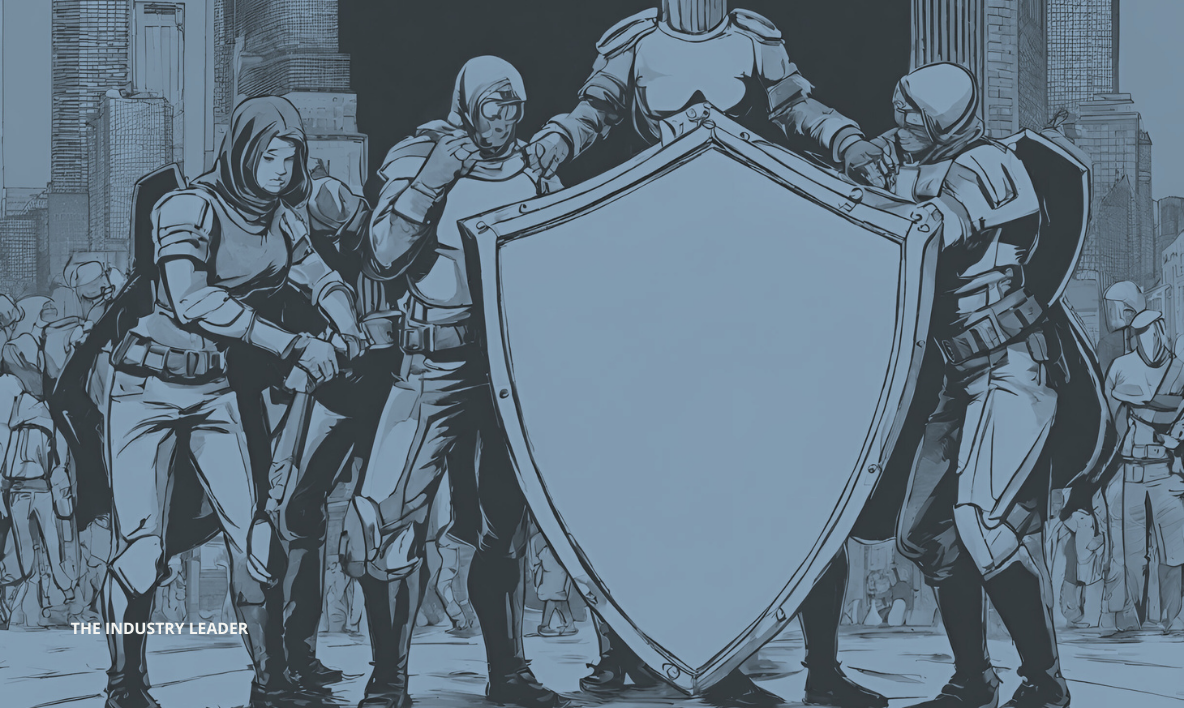
Protecting Your Trade Secrets: A Step-by-Step Guide
If you believe that your trade secret has been misappropriated, you may be able to file a lawsuit to protect your rights. However, filing a trade secret claim can be complex, and it is important to understand the legal requirements involved.

Non-Compete Agreements: When Are They Appropriate?
Non-compete agreements can be a valuable tool for businesses to protect their trade secrets and confidential information, but they can also be unfair to employees. This blog post will explain what non-compete agreements are, when they are appropriate, and when they are not.

Who is Protected Under Age Discrimination Laws in Kentucky?
Age discrimination is a serious problem that can have a devastating impact on people's lives. It can be difficult to find a new job, especially if you are older, and it can make it difficult to support yourself and your family. Fortunately, there are laws in place to protect people from age discrimination. In Kentucky, both federal and state laws prohibit age discrimination in employment, housing, and public accommodations.
