From Albany to City Hall: How State Power Shapes NYC’s 2025 Mayoral Race

Explore how state-level figures like Governor Kathy Hochul and AG Letitia James, along with strategic allies like Bill Ackman, exert both formal and informal influence on the campaigns of Zohran Mamdani and Eric Adams.
every industry needs a leader
•
empower the leader in you
•
every industry needs a leader • empower the leader in you •
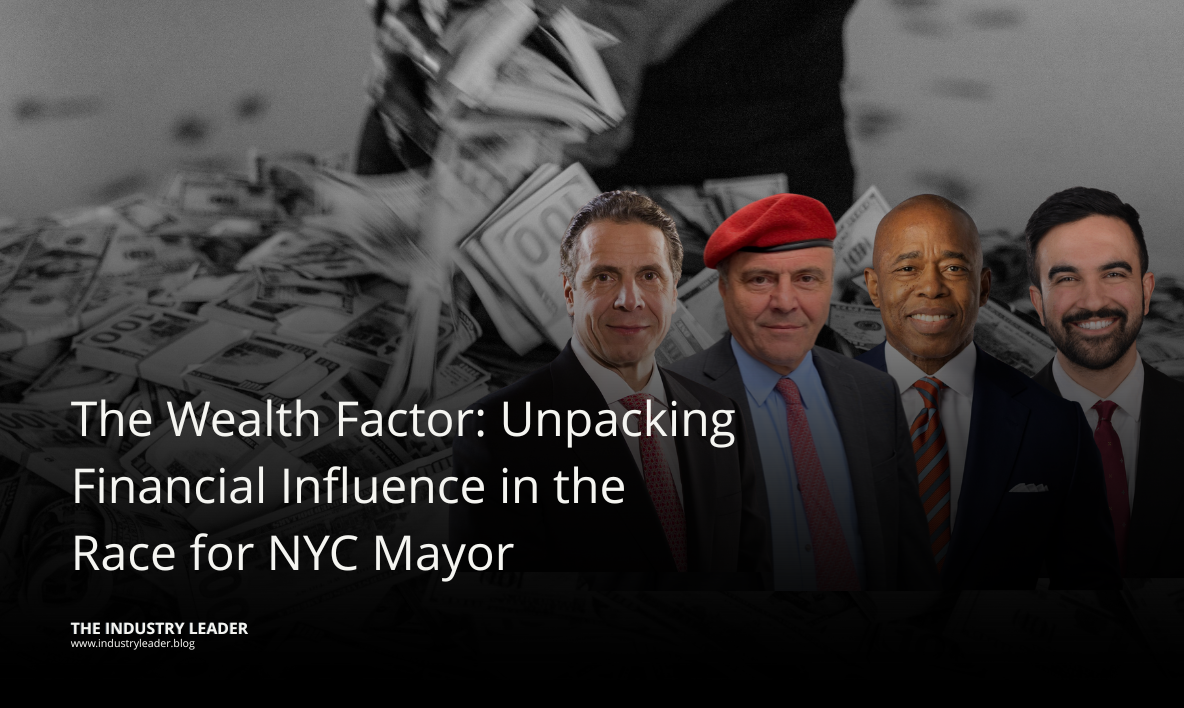
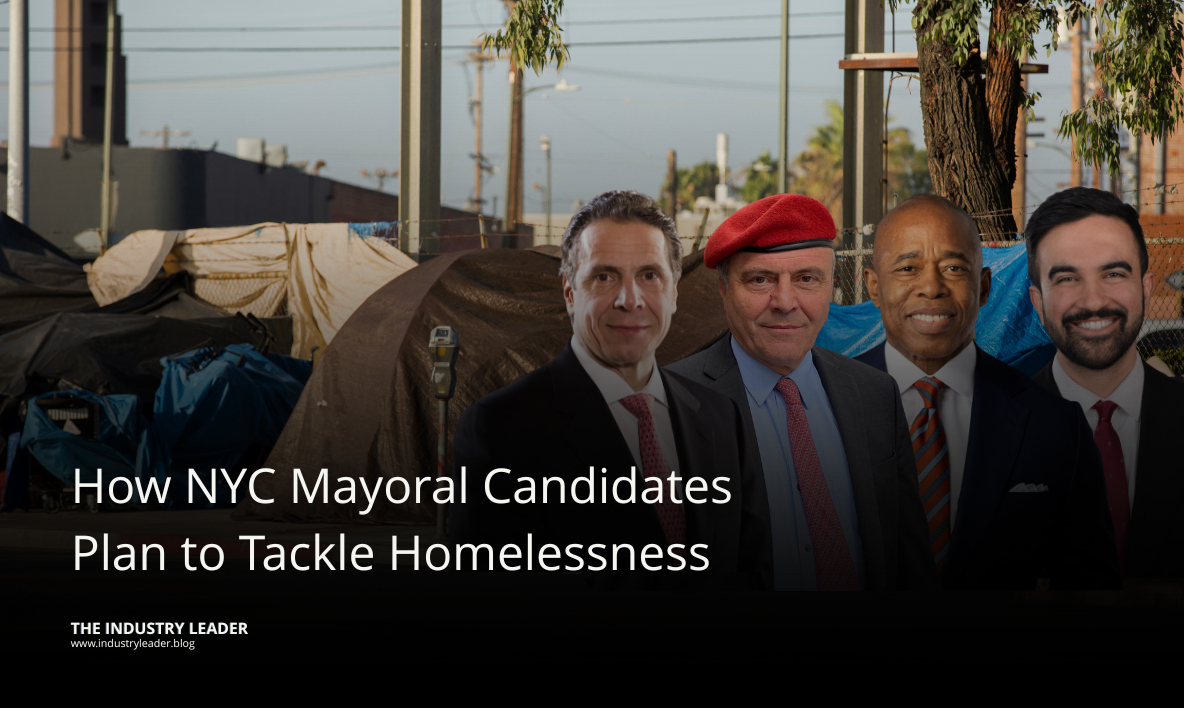
New York City, a global metropolis, often appears to operate as its own political universe. Yet, the reality is far more intricate: the levers of power in Albany, the state capital, exert a profound and undeniable influence on the five boroughs, particularly in the run-up to a pivotal event like the 2025 mayoral race. This election pits incumbent Mayor Eric Adams, running as an independent, against Democratic primary victor and State Assemblymember Zohran Mamdani, along with Republican Curtis Sliwa and independent Andrew Cuomo. State-level figures, including Governor Kathy Hochul, Attorney General Letitia James, and legislative leadership, hold considerable sway through both formal powers—such as funding control, oversight of agencies, and legislative priorities—and informal influence, including endorsements, media appearances, and quiet alliances. Their decisions can shape the political climate, voter sentiment, and policy discourse, directly impacting the campaigns for City Hall.
Zohran Mamdani: A State Lawmaker With a Citywide Vision
Zohran Mamdani's candidacy for mayor is uniquely shaped by his current role as a State Assemblymember from Queens. His tenure in Albany provides him with a platform to articulate a citywide vision while simultaneously highlighting the limitations of mayoral power without state cooperation. Mamdani's platform, centered on housing justice, NYPD accountability, and MTA reforms, intrinsically relies on legislative action and funding originating in Albany.
For instance, Mamdani has championed progressive housing policies, including rent freezes for rent-stabilized apartments and the creation of a Social Housing Development Authority, which would necessitate state capital and legislative approval. His proposals for NYPD accountability, such as the creation of a Department of Community Safety to handle non-criminal responsibilities, would require significant shifts in state law and budget allocations, directly challenging the NYPD's autonomy and its powerful unions, which often lobby Albany. Similarly, his advocacy for fare-free buses, a pilot program he previously championed, depends on state funding and MTA cooperation, an agency ultimately under state control.
Mamdani's relationship with the Governor's office and legislative leadership, predominantly Democratic, is complex. While he aligns with the progressive wing of his party, his more radical proposals may face resistance from moderate elements within the state government, including Governor Hochul. His ability to rally public support and leverage his legislative experience could pressure Albany to consider his policy priorities, or it could highlight a disconnect between the city's progressive aspirations and the state's more cautious approach, thereby influencing public perception and political momentum.
Eric Adams: Navigating Albany as an Incumbent Mayor
As the incumbent, Mayor Eric Adams has a firsthand understanding of the delicate dance between City Hall and Albany. His term has been characterized by frequent negotiations and, at times, public friction with state leaders, particularly on issues like bail reform, budget allocations, and the migrant crisis.
Adams has consistently advocated for rollbacks to the state's bail reform laws, arguing they compromise public safety. This stance has put him at odds with some progressive legislators in Albany, even as he has found common ground with more moderate elements and those concerned about rising crime rates. His success, or lack thereof, in securing these changes reflects Albany's legislative priorities and its willingness to grant the city more autonomy on criminal justice matters.
Budget negotiations are another critical arena where Albany's power becomes evident. New York City's budget is heavily reliant on state aid, giving Albany significant leverage over city services and programs. Adams's ability to secure favorable funding for initiatives, or to mitigate cuts, is a testament to his negotiating skills and his relationship with Governor Hochul and the legislative leaders. The city's response to the migrant crisis has also highlighted this dynamic, with Adams repeatedly calling for more state and federal aid, underscoring the limitations of city resources without external support.
Endorsements or resistance from Albany figures can significantly impact Adams's re-election campaign. While he is running as an independent, maintaining at least a cordial working relationship with state leaders is crucial for governance. Public spats or a perception of Adams being unable to secure state cooperation could complicate his narrative of effective leadership, particularly with voters who prioritize stability and intergovernmental collaboration. Conversely, support from key Albany figures could strengthen his position, suggesting he can effectively navigate the state-city dynamic.


Bill Ackman: From Political Outsider to Strategic Ally
Billionaire hedge fund manager Bill Ackman's evolution from seeking a more business-aligned challenger to Adams to actively supporting the incumbent is a telling reflection of Albany's political realities. Initially, Ackman seemed inclined to back a candidate who could present a stark alternative to Adams's leadership, particularly given his past criticisms of what he perceived as Adams's shortcomings. He even donated to Andrew Cuomo's ultimately unsuccessful Democratic primary campaign.
However, after Zohran Mamdani's victory in the Democratic primary, Ackman's calculations shifted. Faced with the prospect of a Democratic Socialist leading New York City, Ackman appears to have pragmatically concluded that Adams, despite any perceived flaws, is the more palatable option from a business-centric perspective. His recent public endorsement of Adams and his urging for Andrew Cuomo to step aside in the general election underscore this strategic pivot.
This move by Ackman is reflective of broader state-level calculations among private sector influencers. With the Democratic Party's dominance in Albany and Governor Hochul's relatively moderate posture, a radical shift in NYC's leadership could create significant friction with state policies and economic interests. Ackman's decision suggests a recognition that, even for those outside the traditional political establishment, navigating the existing power structures in Albany is essential for achieving desired outcomes in New York City. The likelihood of a Democratic governor and legislature might have pushed him towards a known quantity like Adams, who, despite his challenges, represents a less disruptive force than Mamdani.
Conclusion: Who Really Pulls the Levers?
The 2025 New York City mayoral race vividly illustrates how Albany's policy decisions, public statements, and political alliances profoundly shape the narrative and stakes of the election. From funding for city services and critical infrastructure to legislative reforms impacting public safety and housing, the state capital holds significant sway over the daily lives of New Yorkers and, by extension, the platforms and prospects of mayoral candidates.
This dynamic raises a fundamental question: Are mayoral candidates truly independent operators, or do they rise and fall with the tides in Albany? While a mayor undeniably possesses executive authority within the city, their ability to implement their vision is often contingent on the cooperation, or at least the non-interference, of state government. The influence of the Governor and Attorney General, along with legislative leadership, underscores that New York City's political destiny is inextricably linked to Albany's priorities and power plays.
As the 2025 mayoral race progresses, the interplay between City Hall hopefuls and state-level power brokers will continue to be a defining feature. Stay tuned for more updates on the 2025 NYC mayoral race—and follow KIRU @highaski and The Industry Leader @theindustrylead on X (formerly Twitter) for deeper insights and live commentary.
Information published to or by The Industry Leader will never constitute legal, financial or business advice of any kind, nor should it ever be misconstrued or relied on as such. For individualized support for yourself or your business, we strongly encourage you to seek appropriate counsel.