The NYC Mayor’s Role: What’s Possible and What’s Not in 2025
A deep dive into the NYC mayor’s authority and how candidates like Adams, Mamdani, Cuomo, and Sliwa navigate its limits.
every industry needs a leader
•
empower the leader in you
•
every industry needs a leader • empower the leader in you •
New York City’s mayor is often described as one of the most powerful municipal executives in the United States. But despite the visibility and pressure of the office, the role is also constrained—sometimes significantly—by state laws, federal regulations, and intergovernmental agencies. Understanding what is and isn’t under the mayor’s control is essential for voters seeking realistic outcomes from campaign promises.
A Concise Primer on the Mayor’s Powers
The mayor of New York City serves as the chief executive, responsible for administering city services, managing public property, overseeing police and fire protection, and enforcing city and state laws within the five boroughs. This includes appointing heads of over 40 city departments and agencies, preparing the city’s budget, and vetoing local laws passed by the City Council. Key agencies directly under mayoral control include the New York Police Department (NYPD), which reports to the mayor through an appointed commissioner, allowing the executive to set policing priorities and strategies. The Department of Education also falls under the mayor’s purview, enabling initiatives like curriculum changes or school expansions.
However, mayoral influence tapers off in several critical areas due to overlapping state and federal authority. For instance, in housing, the city can regulate zoning and allocate local funds for affordable units, but rent stabilization laws and major subsidies are governed by state statutes and federal programs like those from the U.S. Department of Housing and Urban Development (HUD). Transit is largely out of the mayor’s hands, as the Metropolitan Transportation Authority (MTA) is a state-run entity controlled by the governor, who appoints the majority of its board members—leaving the mayor with limited say over subway operations or fares. Immigration enforcement is primarily a federal domain under the Department of Homeland Security (DHS), though the city can adopt sanctuary policies that restrict local cooperation with federal agents. In education, while the mayor oversees day-to-day operations, state standards and funding formulas set by the legislature impose constraints. Public health initiatives, such as vaccination mandates or smoking bans, can be led by the mayor but must comply with state health codes and federal guidelines from agencies like the CDC.
Boundaries with other entities are clear yet often contentious. The governor’s office and state legislature hold veto power over city actions in areas like bail reform or taxation, and can even curtail mayoral authority directly, as seen in recent moves to limit the executive’s control over ballot questions or appoint oversight officials. Federal departments like HUD and DHS dictate funding and enforcement in housing and immigration, respectively, while the NYPD’s accountability to the mayor contrasts sharply with the MTA’s state allegiance.
How the Balance of Power Shapes the 2025 Mayoral Race
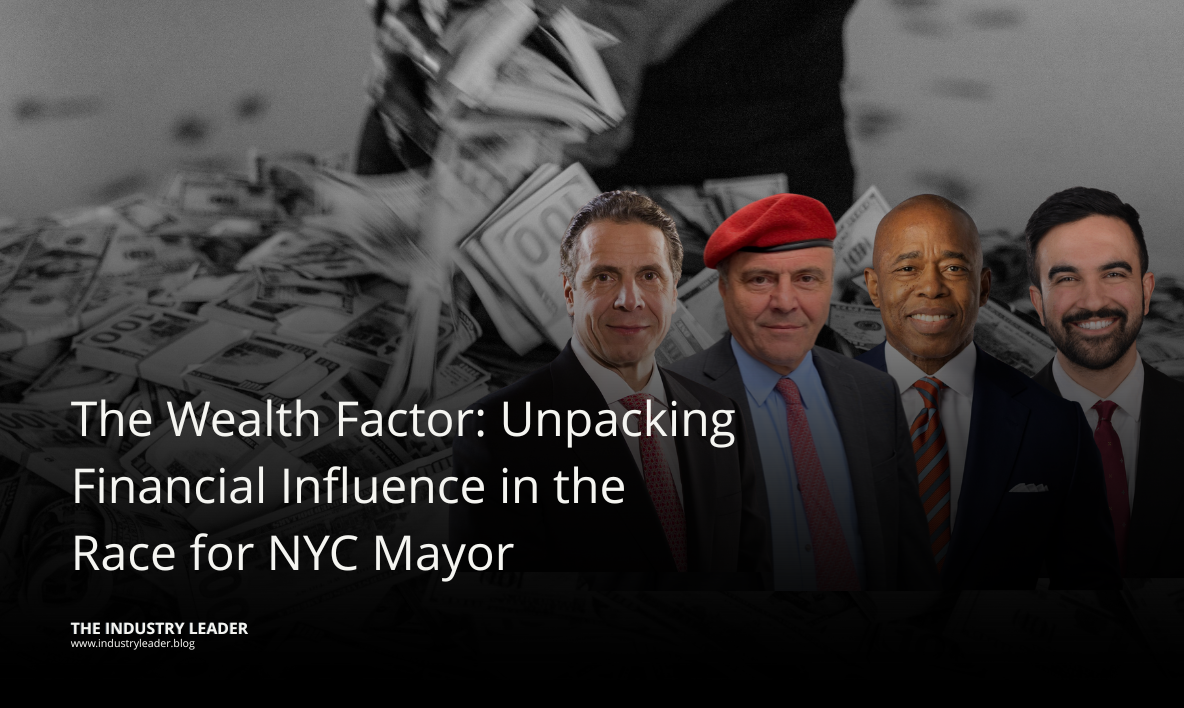
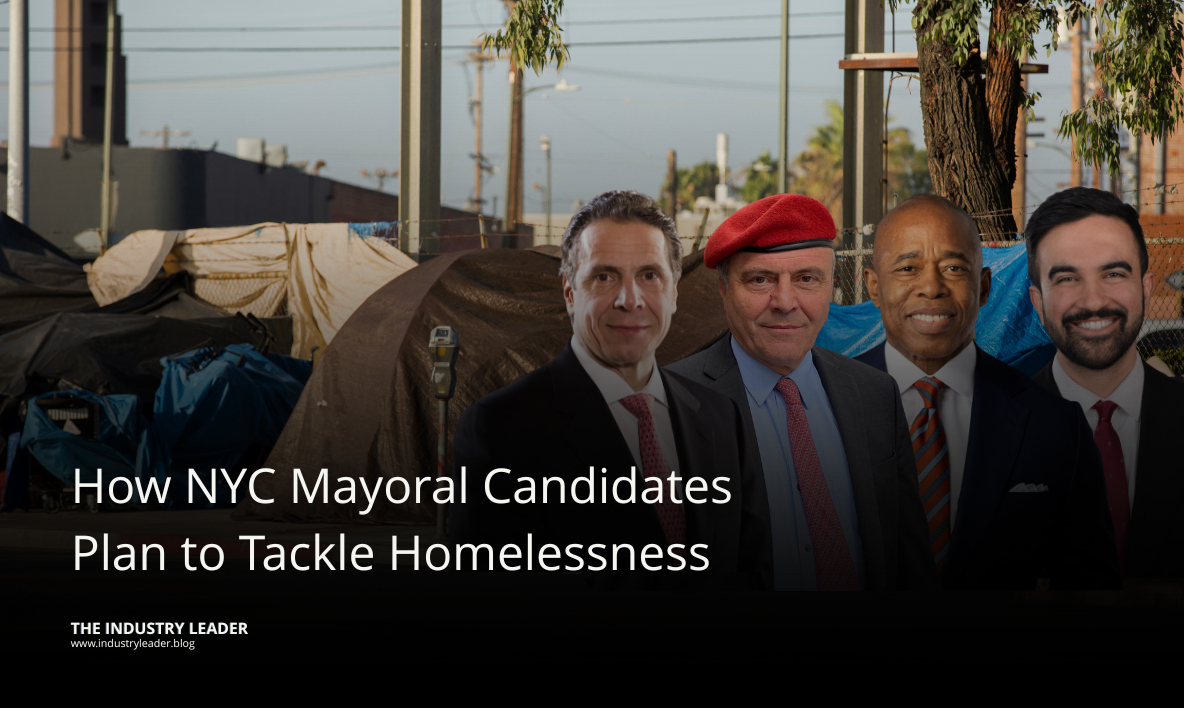
This interplay of local, state, and federal powers is central to the 2025 race, where candidates must navigate what they can realistically achieve amid promises on crime, housing, and more. The field includes incumbent Eric Adams running as an independent, Democratic nominee Zohran Mamdani, independent Andrew Cuomo, and Republican Curtis Sliwa.
Eric Adams, the incumbent, has frequently blamed state lawmakers and judges for public safety setbacks—especially around bail reform and homelessness—while also touting accomplishments like reducing subway crime and clearing encampments. But critics argue he uses state interference as a scapegoat for city-level shortcomings, such as delays in local enforcement or budget allocations.
Zohran Mamdani, a state assemblymember now running for mayor, argues that the city should use its full budgetary and legislative capacity to reshape public life—on housing, public banking, and climate infrastructure—even if it means pushing state boundaries. His campaign challenges what he sees as Adams’ passivity in areas where the city could lead, such as taxing the rich or reallocating NYPD funding.
Andrew Cuomo, a former governor now seeking mayoral power, brings the perspective of someone who once set the rules that mayors must follow. He pitches himself as someone who knows how to “get things done” in Albany—and who won’t be pushed around by the state’s legislative leaders. But that track record includes contentious battles with mayors like Bill de Blasio, suggesting Cuomo may face resistance if he returns in a new role.
Curtis Sliwa, founder of the Guardian Angels and a perennial candidate, embraces a populist tone, often making promises that overstate what the mayor can do alone—such as removing Rikers Island detainees to upstate facilities or forcing mass deportations. These positions resonate with certain voter blocs but often fall outside the legal scope of mayoral authority.


Feasible Leadership vs. Fantasy Politics: Lessons from Past Mayors
The article should draw clear lines between feasible leadership and fantasy politics. Previous mayors offer examples of navigating these dynamics. Michael Bloomberg advanced public health initiatives, such as banning smoking in public places and restricting trans fats in restaurants, by leveraging city authority while aligning with state and federal health goals—leading to increased life expectancy. Bill de Blasio expanded pre-K to over 70,000 children through “Pre-K for All,” securing state funding and using mayoral budget control to implement universal access despite initial resistance. David Dinkins pursued policing reforms via the “Safe Streets, Safe City” plan, expanding the NYPD by thousands and introducing community policing, which required negotiating state aid but ultimately reduced crime rates. These successes highlight how mayors can innovate within limits, contrasting with overreaches that ignore state or federal barriers.
Reflection: Realistic Delivery or Symbolism?
As New Yorkers prepare to vote in 2025, are they choosing a mayor based on what the office can realistically deliver? Or are they voting for symbolism, spectacle, or protest? What responsibilities should voters themselves carry in understanding the job description before casting their ballots?
Stay tuned for more updates on the election—and follow @highaski on X (Twitter) for real-time coverage.
Information published to or by The Industry Leader will never constitute legal, financial or business advice of any kind, nor should it ever be misconstrued or relied on as such. For individualized support for yourself or your business, we strongly encourage you to seek appropriate counsel.