Deadass or Nah? How Borough Slang Shapes NYC’s Mayoral Race
Do Candidates Sound Like Your Neighbor? NYC’s Borough Vibes
every industry needs a leader
•
empower the leader in you
•
every industry needs a leader • empower the leader in you •
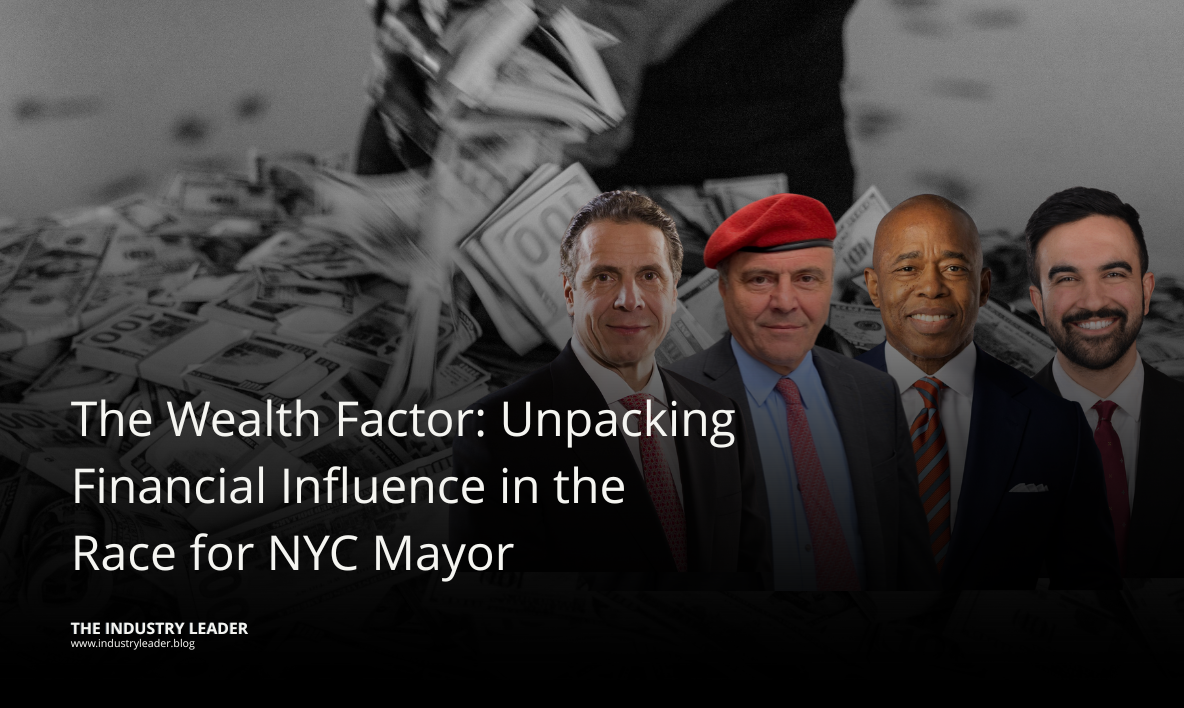
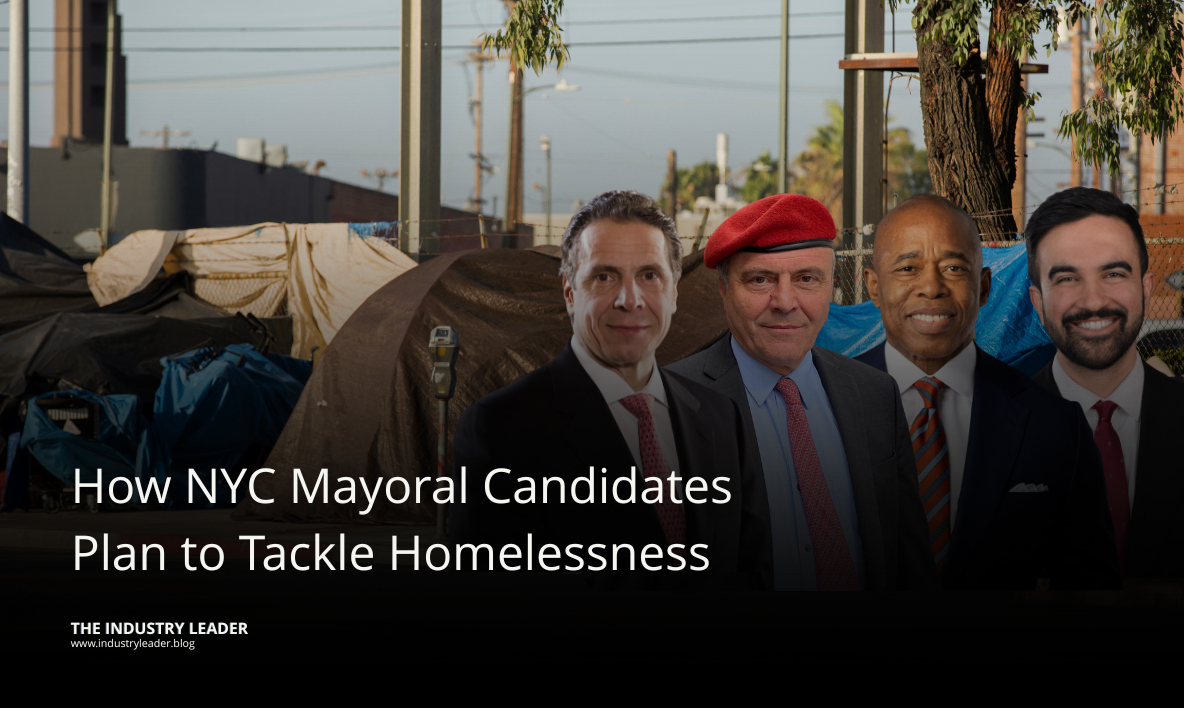
New York City’s mayoral race is a linguistic melting pot, where candidates’ words often echo the streets they hail from. In the 2025 contest, four key figures—Zohran Mamdani from Queens, Eric Adams from Brooklyn, Andrew Cuomo also rooted in Queens, and Curtis Sliwa from Brooklyn—bring their borough flavors to the campaign trail. Do they drop “deadass” for emphasis, shout out bodegas as community hubs, or mimic the MTA’s infamous “stand clear of the closing doors”? Let’s dive into how these politicians’ speech patterns reveal their ties to the city’s diverse neighborhoods, blending authenticity with political polish.
Start with borough linguistics, where accents and phrases can signal hometown pride. Andrew Cuomo, born in Queens, has long been noted for his distinct Queens accent, which he once defended as genuine during a speech on labor issues, declaring, “This is not a phony Queens accent.” Critics and linguists describe it as a classic ethnic Italian Queens inflection, modified by years in public life, setting it apart from more neutral tones. Yet, his rhetorical style often leans more Albany-formal than Astoria-casual, with structured sentences in interviews and pressers that prioritize policy over slang. In contrast, fellow Queens native Zohran Mamdani infuses his communication with subway-centric references that nod to Queens’ transit-dependent vibe. In a post from a sweltering Jackson Heights station, he greeted followers with, “Good morning from a very hot subway station in Jackson Heights,” evoking the everyday grind of Queens commuters. Mamdani’s syntax in speeches, like his victory address emphasizing affordability—“We have won because New Yorkers have stood up for a city they can afford”—reflects a straightforward, community-focused Queens ethos, though he avoids heavy slang for broader appeal.
Brooklyn candidates bring a grittier edge. Eric Adams, a proud Brownsville son, leans into Brooklyn vernacular to connect with constituents. His social media bursts with phrases like “Southside, we outside!” while grabbing a “bodega sandwich” in his old neighborhood, blending street talk with nods to local landmarks. Adams often references bodegas as vital community spots, supporting workers and criticizing policies that hurt them, which underscores his Brooklyn roots in casual, relatable language. Curtis Sliwa, from Canarsie, channels gritty radio banter from his Guardian Angels days. His posts and speeches feature direct, confrontational talk about crime, like declaring subway violence a “humanitarian crisis” and vowing to patrol with Angels, echoing Brooklyn’s tough, no-nonsense patrol culture. Sliwa’s habit of name-dropping subway lines and neighborhoods in rants against fare evasion and violence feels like vintage NYC talk radio, raw and unfiltered.
This mix highlights the public persona versus street talk divide. Adams masterfully code-switches: polished in official transcripts, like his podcast appearance discussing nightlife as a “$30 billion industry,” but dropping “bro” in casual interactions. He balances mayor-mode with Brooklyn flair to seem approachable, as seen in videos from bodega runs. Cuomo, meanwhile, maintains a more consistent formal tone, though his accent slips through in off-the-cuff moments, like imitating reporters or quoting headlines. Critics note it reveals Queens origins, but he leans Albany-professional, avoiding heavy slang to project gravitas. Mamdani’s speech evolves by audience: formal in victory speeches, but casual on X with subway riffs, like critiquing Cuomo for never riding public transit. Sliwa rarely polishes; his radio-honed banter stays street-level, ranting about “grift” in the MTA or “bonehead subway surfers,” which can feel unfiltered but authentic.


Campaign strategy amplifies these habits for voter connection. Adams uses bodega shout-outs and “we outside” vibes to rally Brooklyn bases, positioning himself as a street-savvy leader fighting crime. In a video contrasting talkers with doers, he boasts riding trains and talking to New Yorkers, reinforcing relatability. Mamdani invokes subway culture strategically, like pushing fare-free buses and criticizing rivals’ transit avoidance, to appeal to working-class Queens voters seeking affordability. Cuomo leverages his accent for authenticity in safety talks, promising brighter subway lighting and mental health teams, evoking Queens’ practical roots. Sliwa’s Guardian Angels banter fuels his anti-crime platform, with phrases like “take back our city” in subway patrol posts, targeting outer-borough fears.
Notable moments capture this borough essence. Adams’ “Southside, we outside!” bodega video went viral, showcasing Brooklyn energy. Cuomo’s defense of his accent in a 2018 speech highlighted Queens pride amid scrutiny. Mamdani’s hot subway post humanized Queens’ daily hustle. Sliwa’s subway patrol videos, decrying “Dante’s Inferno” conditions, embody Brooklyn grit. Audiences respond positively to authenticity—Adams’ casualness builds trust, while Sliwa’s banter rallies anti-crime voters—but over-polish, like Cuomo’s, can seem distant.
Ultimately, these candidates balance “of New York” vibes with mayoral polish, code-switching to connect. Queens reps evoke transit woes, Brooklyn duo street resilience. Slang like “deadass” may be sparse, but habits reveal cultural ties.
Next time a candidate speaks, listen closely: Do they sound like your neighbor? Or your boss? Or someone riding the 6 train at 8AM? Stay tuned for more election updates and follow @highaski on X for local coverage and conversation.
Information published to or by The Industry Leader will never constitute legal, financial or business advice of any kind, nor should it ever be misconstrued or relied on as such. For individualized support for yourself or your business, we strongly encourage you to seek appropriate counsel.