From Wages to Tech Hubs: What the Next NYC Mayor Plans for Job Creation and Labor Rights
Analyzing Wage Protections, Workforce Training, Union Efforts, Tech Innovation, and Creative Sector Investments
every industry needs a leader
•
empower the leader in you
•
every industry needs a leader • empower the leader in you •
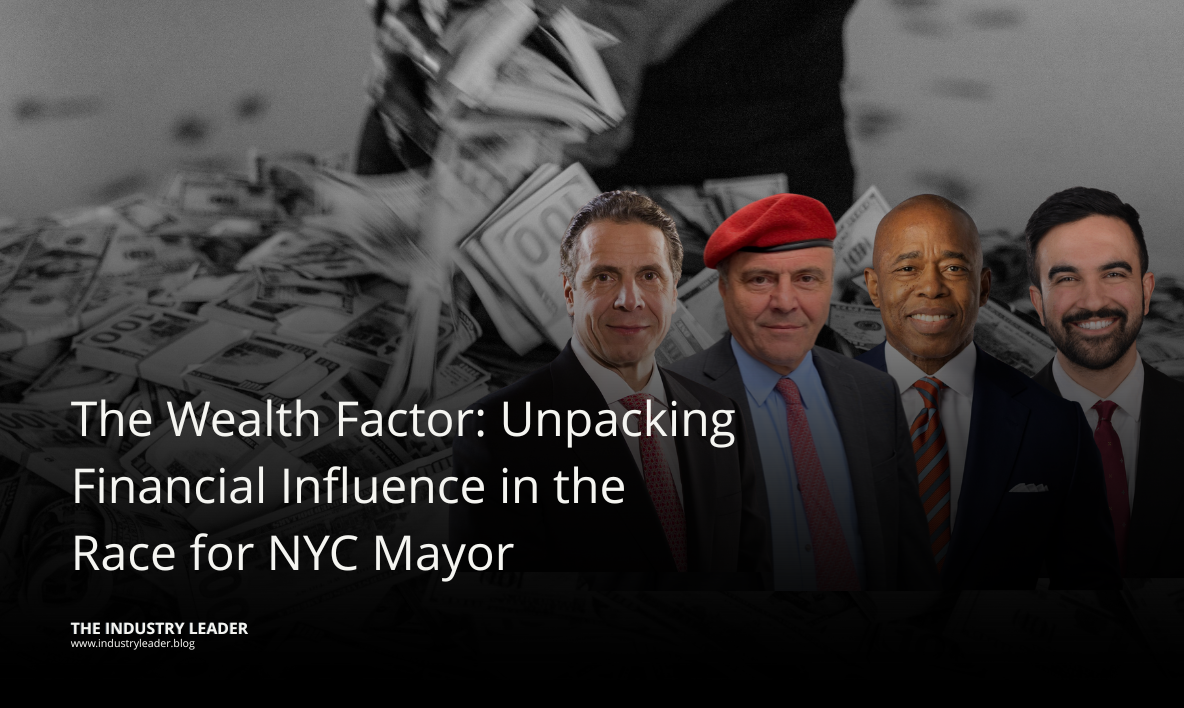
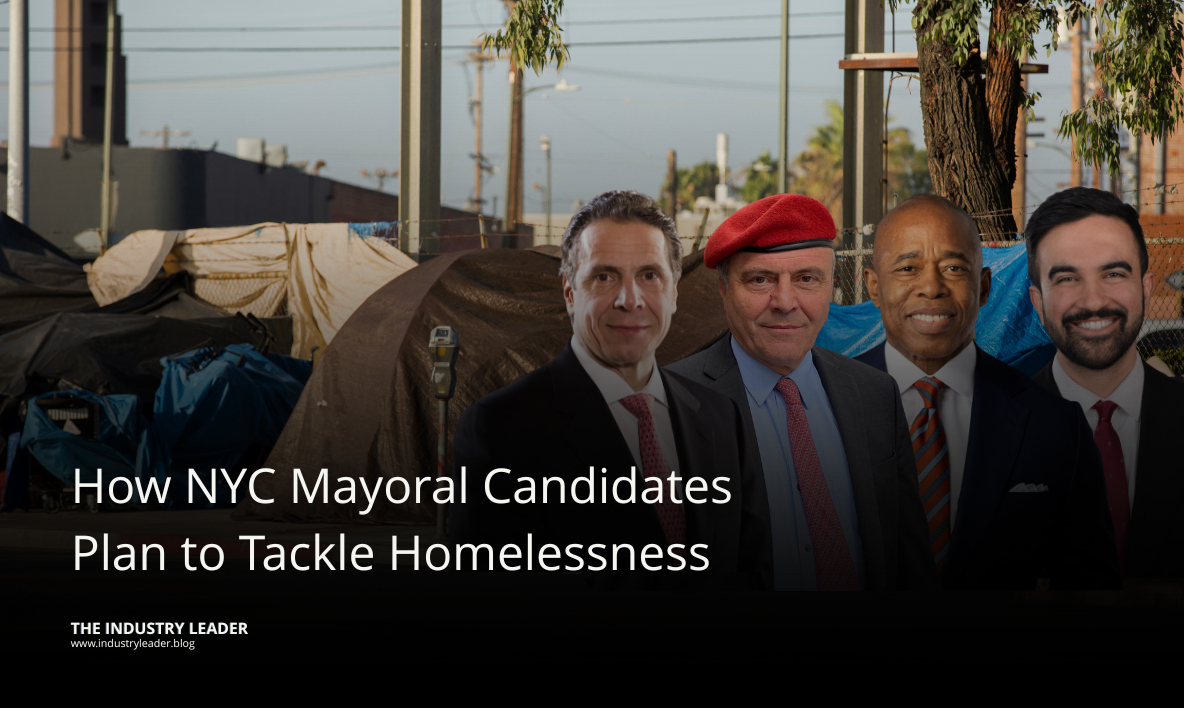
As New York City approaches its 2025 mayoral election, the race has crystallized into a contest between Democratic nominee Zohran Mamdani, incumbent Eric Adams (running independently after losing the primary), independent Andrew Cuomo, and Republican Curtis Sliwa. With the city’s economy still recovering from the COVID-19 pandemic, which led to a loss of over 900,000 jobs in 2020 and a shift toward hybrid work models that have left office occupancy at around 50% in central business districts, candidates are pitching visions for job growth and gig economy reforms. Hybrid work has reshaped employment, boosting sectors like tech and remote services while depressing hospitality and retail in downtown areas, contributing to uneven recovery across industries. Recent city-level advancements, such as the phased implementation of a $21.44 per hour minimum pay rate for app-based restaurant delivery workers effective April 1, 2025, and its expansion to grocery delivery apps like Instacart and Shipt in July 2025, underscore ongoing efforts to protect gig workers amid rising unionization pushes. Under Adams’ administration, these policies have aimed at wage equity, though critics argue they fall short without broader labor protections. Below, we explore each candidate’s proposals, framing their economic visions through key lenses: wage protections, workforce training, unionization, tech hubs, and the creative sector.
Zohran Mamdani: A Democratic Socialist Push for Worker-Centered Equity
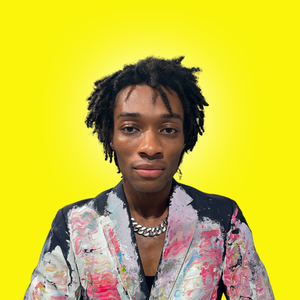
Mamdani, a state assemblymember and self-described democratic socialist, envisions an economy where working people thrive through public investments funded by taxing the ultra-wealthy and profitable corporations. His platform emphasizes lowering living costs to retain jobs, including freezing rents on stabilized apartments, which could save New Yorkers nearly $7 billion over four years and stimulate broader economic activity by putting more money in workers’ pockets. On wages, Mamdani supports equity for full-time and gig workers, backing minimum wage hikes and protections like those for app-based drivers. He has garnered endorsements from major unions, including DC37 (the city’s largest municipal union), 1199SEIU (healthcare workers), and 32BJ SEIU (building service workers), pledging to stand with them for dignified jobs. Workforce development features prominently, with calls for mass employment programs akin to the New Deal, focusing on high-demand fields like green energy and care work through infrastructure upgrades in public housing and transit. He advocates unionization for app-based workers, drawing from his support for striking workers’ unemployment benefits and collective bargaining. For tech hubs, Mamdani proposes integrating renewable energy into schools, creating 15,000 union jobs in underserved areas. In the creative sector, he earned backing from Local 802 AFM (musicians) and IATSE Local 161 (film production coordinators), vowing to invest in arts as part of a worker-first economy. Critics, including business leaders, warn his tax plans could deter investment, but Mamdani frames it as building a sustainable, equitable future.
Eric Adams: Moderate Strategies for Inclusive Growth and Recovery
Adams, the incumbent running independently, promotes moderate economic development centered on job access and small business support, having connected over 300,000 New Yorkers to training and opportunities since 2022. His vision rebuilds post-COVID by addressing hybrid work’s impact, launching “Race for Space” to repurpose vacant offices and create jobs. On wages, Adams has enforced gig protections, including the delivery worker minimum pay hike under his watch, and invested a record $6.4 billion in minority- and women-owned businesses to promote equity. Workforce development includes the Workforce Development Council for high-demand sectors like tech and green jobs, plus apprenticeships in hospitality and care work. He supports unionization indirectly through pro-labor hires and backing for workers in negotiations, though he has faced criticism for associating with controversial figures. Tech hubs feature in his plans to attract talent to underserved areas via innovation districts. For the creative economy, Adams highlights nightlife revival to support music and media jobs, tying it to broader recovery. His approach contrasts Mamdani’s redistribution by focusing on business incentives and public-private partnerships, though detractors note persistent vacancies and uneven growth.


Andrew Cuomo: Leveraging Past Tech Investments and Labor Focus
Cuomo, running as an independent after his primary loss, draws on his gubernatorial record of tech-driven growth and labor investments. His historical approach balanced innovation with equity, investing $175 million in workforce development for high-demand fields like tech and green energy. He frames NYC’s future through regional clusters, as in the Buffalo Billion initiative that created tech jobs in underserved areas. On wages, Cuomo supported $15 minimum wage and paid family leave, extending protections to gig workers via broader labor reforms. Workforce training emphasized STEM and renewable energy, with $2 billion in school modernization for tech skills. He backed unionization, including for app-based workers, through pro-labor policies like the NY SAFE Act and Green New Deal. Tech hubs were central, with billions in incentives for innovation districts bringing jobs to upstate and outer boroughs. In the creative sector, he championed film tax credits and media investments. Compared to others, Cuomo’s vision is pragmatic, blending Adams’ moderation with Mamdani’s equity focus, though his past faced scrutiny over equity in tech spending.
Curtis Sliwa: Populist Defense of Blue-Collar Jobs and Fiscal Restraint
Sliwa, the Republican nominee, offers a populist take emphasizing blue-collar jobs and city spending cuts to aid small businesses. He criticizes socialists like Mamdani for threatening capitalism, vowing to protect workers through safety and reduced regulations. On wages, Sliwa supports equity but focuses on lowering costs like fines for businesses to sustain full-time and gig employment. Workforce development targets blue-collar sectors like construction and hospitality, with plans to create opportunities in Staten Island and outer boroughs. He champions unionization, attending events with steamfitters and pledging to stand with labor for dignified jobs. Tech hubs would prioritize underserved areas, but Sliwa stresses safety to attract investment. For the creative economy, he ties revival to safer streets for media and arts venues. His blue-collar populism contrasts Mamdani’s socialism and Adams’ moderation by focusing on fiscal restraint and crime reduction to retain jobs, though he lacks detailed green or gig-specific plans.
In comparison, Mamdani’s socialist vision prioritizes redistribution and union power, diverging from Adams’ business-friendly moderation and Cuomo’s tech-heavy investments. Sliwa’s populism echoes blue-collar concerns but emphasizes spending cuts over expansive programs. As NYC navigates post-COVID shifts, these approaches highlight ideological divides on balancing growth, equity, and innovation.
Stay tuned for more election coverage, and follow @highaski on X for updates.
Information published to or by The Industry Leader will never constitute legal, financial or business advice of any kind, nor should it ever be misconstrued or relied on as such. For individualized support for yourself or your business, we strongly encourage you to seek appropriate counsel.