What Climate Justice Means to NYC's Youth Voters in the 2025 Mayoral Race
Examining Candidate Positions and Youth-Led Movements in the Lead-Up to NYC's 2025 Mayoral Election
every industry needs a leader
•
empower the leader in you
•
every industry needs a leader • empower the leader in you •
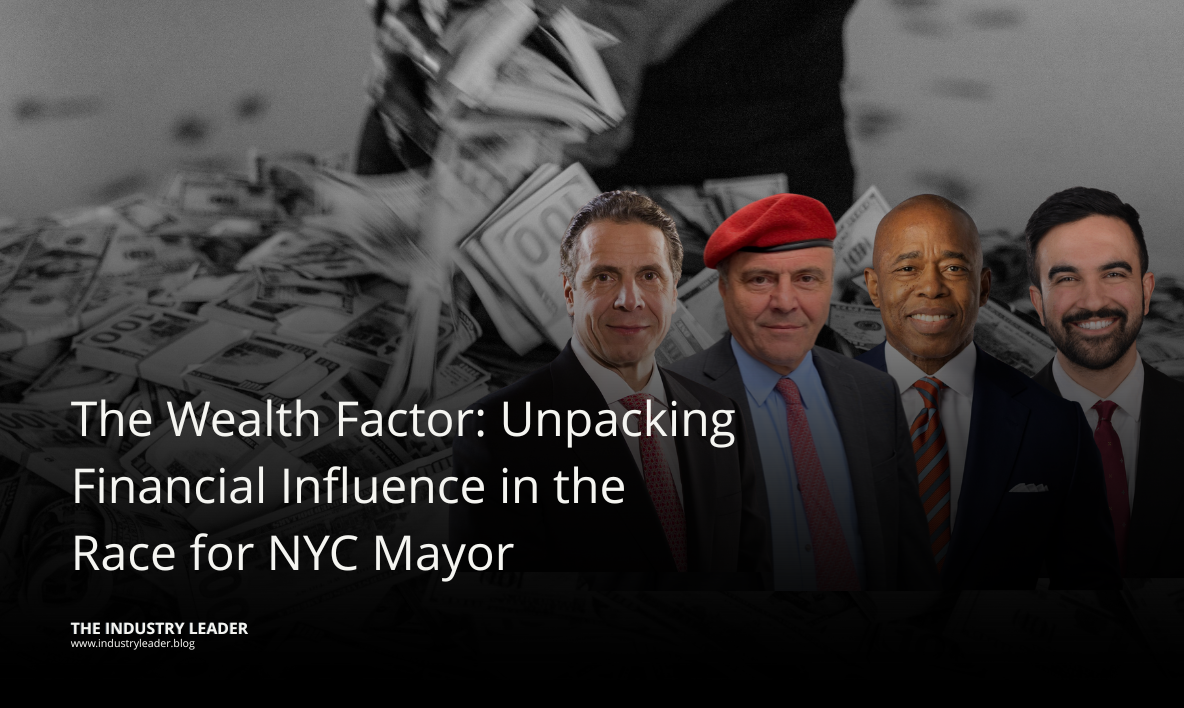
As New York City approaches its 2025 mayoral election, climate justice has emerged as a pivotal issue for young voters, who view it not just as an environmental concern but as a framework for addressing systemic inequities. This expository analysis explores how the concept is influencing political engagement in the race, with a focus on the positions and records of candidates Zohran Mamdani, Eric Adams, Andrew Cuomo, and Curtis Sliwa.
Defining Climate Justice for NYC’s Youth
For young voters in New York City, climate justice extends beyond reducing emissions to encompass the fair distribution of environmental benefits and burdens, particularly in marginalized communities. It intersects with racial justice by highlighting how communities of color and low-income neighborhoods, often designated as environmental justice areas, face disproportionate pollution, flooding, and health risks from climate impacts. Housing equity plays a key role, as substandard buildings exacerbate indoor air pollution and vulnerability to heat waves, while public health concerns arise from asthma rates linked to poor air quality in these areas.
Youth-led groups like Sunrise Movement NYC emphasize these intersections, advocating for a Green New Deal that addresses racial and economic inequalities alongside the climate crisis. They frame climate justice as a movement for community-led solutions, where exploitation ends and equitable policies begin. Similarly, Fridays for Future NYC, inspired by global youth strikes, calls for ending fossil fuels and prioritizing environmental justice in policy, viewing climate inaction as a threat to future generations’ health and livelihoods.
Priority Issues
Youth voters prioritize issues where climate justice aligns with everyday needs, envisioning systemic changes for a sustainable NYC.
On green jobs, young people see opportunities in renewable energy, sustainable infrastructure, and environmental restoration as pathways to economic equity. They advocate for programs that could create 16,000 net new jobs by 2040 through investments in clean energy and apprenticeships, targeting underrepresented communities.
Public transit expectations focus on affordability, expansion, and electrification to reduce emissions and improve access. Youth push for programs like Fair Fares expansion to 200% of the federal poverty level and electrifying school buses, with $77 million in federal grants already funding such efforts to make transit equitable and zero-emission.
Air quality concerns center on pollution in environmental justice neighborhoods, where stationary and mobile sources disproportionately affect health. Monitoring shows declining pollutant levels citywide, but disparities persist in low-income areas, prompting calls for targeted interventions.
For disaster preparedness, youth demand flood prevention, heat wave responses, and equitable resource distribution. With extreme heat events rising, they advocate for community cooling centers and resilient infrastructure, as “feels-like” temperatures exceed 100 degrees in events like the 2025 heat wave.


Candidates’ Stances and Histories
Candidates’ approaches to climate justice vary, reflecting their records and outreach to youth.
Zohran Mamdani, the Democratic nominee, integrates climate policy with affordability, pledging strict enforcement of Local Law 97 to cut building emissions and opposing natural gas infrastructure for environmental justice. He communicates via social media, engaging young audiences with progressive messaging on TikTok and Instagram.
Eric Adams, the incumbent mayor, launched NYC’s first climate budgeting process with $5.8 billion for emissions reduction and appointed a chief climate officer. However, critics note a perceived lack of urgency on justice aspects. His outreach includes announcements on platforms like YouTube, though less targeted at youth rallies.
Andrew Cuomo, running as an independent, advanced clean energy jobs as governor, supporting renewable transitions. In the mayoral race, he emphasizes education and affordability but has limited specific climate proposals; questionnaires show support for green initiatives. He uses X (formerly Twitter) for broad messaging, with interviews highlighting experience over youth-specific events.
Curtis Sliwa, the Republican candidate, has mentioned environmental cleanliness, citing his early recycling efforts and support for composting to reduce waste. His climate stance is less detailed, focusing more on public safety. Communication involves Instagram posts on parks, appealing to general audiences rather than youth climate forums.
Comparisons show Mamdani leading in youth engagement via digital platforms, while others rely on traditional media.
Impact on the 2025 Election
Climate justice could boost youth turnout, with polls showing 40% of young voters prioritizing it alongside affordability. Endorsements from groups like Sunrise and Fridays for Future may drive volunteer organizing, as seen in Mamdani’s surge of young voters. Generational divides exist, with youth favoring bold action while older blocs prioritize immediate costs, but coalitions could form around shared concerns like housing.
In conclusion, youth-led demands for climate justice may reshape NYC’s political landscape by pushing for inclusive policies that endure beyond 2025, fostering a more equitable and resilient city.
Stay tuned for more updates on the election, and follow KIRU (@highaski) on X for the latest insights.
Information published to or by The Industry Leader will never constitute legal, financial or business advice of any kind, nor should it ever be misconstrued or relied on as such. For individualized support for yourself or your business, we strongly encourage you to seek appropriate counsel.