NYC’s 2025 Mayoral Race: Will Housing Promises Deliver?
Campaign Promises or Lasting Change? Unpacking the 2025 Mayoral Race’s Focus on NYC’s Housing Crisis
every industry needs a leader
•
empower the leader in you
•
every industry needs a leader • empower the leader in you •
Public housing and homelessness have long been flashpoints in New York City’s mayoral elections, often symbolizing broader debates over inequality, urban decay, and government responsibility. These issues surge in prominence during campaigns as candidates leverage them to appeal to voters concerned with social justice, public safety, and fiscal management. In the 1989 race between David Dinkins and Rudy Giuliani, homelessness was a key theme amid rising shelter populations under Mayor Ed Koch’s administration, with Dinkins emphasizing compassionate policies while Giuliani focused on law and order. By 2013, Bill de Blasio’s “Tale of Two Cities” narrative spotlighted affordable housing shortages and homelessness, critiquing the Bloomberg era’s market-driven approach that saw shelter numbers swell despite economic growth. In 2021, candidates debated mental health and street homelessness amid pandemic-era spikes, with proposals ranging from expanded shelters to supportive housing. This pattern reflects electoral incentives: these crises affect visible demographics like families and low-income residents, allowing candidates to promise quick fixes without immediate accountability.
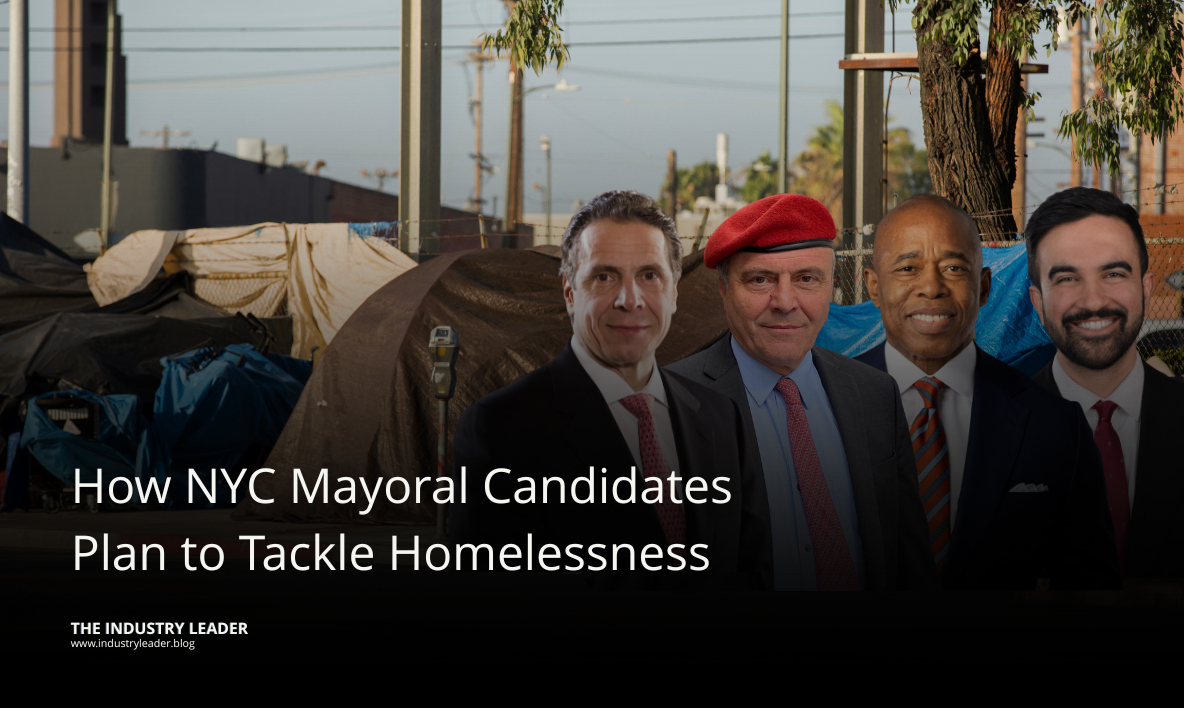
As of mid-2025, NYC’s public housing and homelessness challenges remain acute. The New York City Housing Authority (NYCHA) faces a $78 billion capital needs gap for repairs, up from $45 billion in 2023, with deteriorating conditions including mold, leaks, and elevator failures prompting tenant complaints. Nearly half of NYCHA households are rent-arrears, totaling $450 million, exacerbating funding shortfalls. Homelessness stats are dire: in June 2025, 105,373 people slept in shelters nightly, a 12% surge from 2024, with street homelessness estimated at thousands more amid low affordable housing vacancy rates. Under Mayor Eric Adams, affordable housing construction hit records, with 33,715 units in FY 2025, but critics note persistent shelter reliance and street sweeps displacing unsheltered individuals without long-term solutions.
Candidate positions vary ideologically. Incumbent Eric Adams has touted his 2022 Housing Blueprint, which aimed to streamline agency silos for shelter-to-housing transitions and expand affordable units; by 2025, his administration surpassed goals with 24 public-site projects advanced. However, audits highlight uneven NYCHA modernization and shelter expansions amid ongoing street sweeps criticized for lacking supportive services. Democratic nominee Zohran Mamdani advocates for decommodified housing and tenant protections, aligning with Housing Justice for All; his platform includes a rent freeze on over a million stabilized units and commitments to stronger evictions safeguards, as discussed in WNYC interviews. Andrew Cuomo, running independently, draws on his gubernatorial legacy, proposing a $2.5 billion NYCHA revitalization plan and emphasizing state oversight; his 2020 homelessness directives faced backlash for insufficient funding, though he frames 2025 pledges as addressing a “leadership crisis.” Republican Curtis Sliwa critiques policies as ineffective, promising to repurpose vacant buildings into shelters and drawing on his Guardian Angels outreach; in 2021 and 2025 campaigns, he has called for voter referendums on sanctuary status impacting migrant homelessness, using direct quotes like incentivizing conversions of unused properties.


Election-year attention often manifests as optics rather than outcomes. Media coverage spikes with photo ops at NYCHA sites and press conferences outside shelters, as seen in Gothamist reports on candidate visits amplifying visibility without sustained action post-election. Historical patterns show promises like de Blasio’s housing plan yielding mixed results, with homelessness rising despite initiatives. Advocates argue this cycle prioritizes symbolism over systemic reform.
Ground-level voices underscore the gap. NYCHA tenant associations and groups like VOCAL-NY demand accountability, with organizers noting, “Real solutions come from those affected.” Neighbors Together’s community organizers push for Community Land Trusts as “a real solution for social housing,” contrasting candidate rhetoric with priorities like accessible food and housing rights. These groups highlight how proposals often overlook enforcement against landlords.
In 2025, watch for policies with substance: Mamdani’s rent freeze includes enforcement tools, Cuomo’s plan outlines funding, Adams cites records while facing implementation critiques, and Sliwa emphasizes repurposing with accountability structures. Polls suggest voters seek more than visibility, demanding clear metrics amid ongoing crises.
While housing issues are always hot during campaign season, what happens after the polls close matters more. Encourage readers to follow ongoing election coverage and stay informed about candidates’ housing records and future promises.
Stay tuned for more updates on the NYC 2025 Mayoral Election. Follow KIRU (@highaski) on X for more coverage, commentary, and community insight.
Information published to or by The Industry Leader will never constitute legal, financial or business advice of any kind, nor should it ever be misconstrued or relied on as such. For individualized support for yourself or your business, we strongly encourage you to seek appropriate counsel.