Beyond Ackman: The Billionaires Bankrolling NYC’s 2025 Mayoral Election
Uncovering the Wealthy Donors Steering Adams, Mamdani, Cuomo, and Sliwa
every industry needs a leader
•
empower the leader in you
•
every industry needs a leader • empower the leader in you •
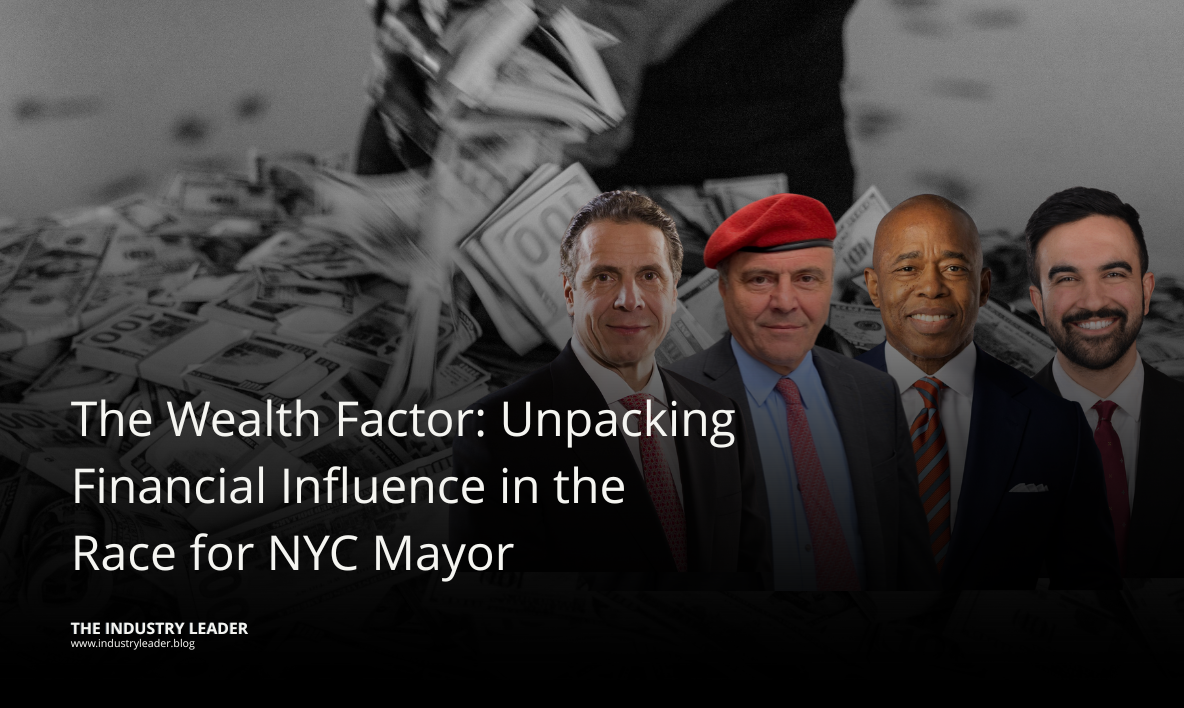
In the high-stakes drama of New York City’s 2025 mayoral election, billionaire influence extends far beyond the headlines dominated by one prominent hedge fund manager’s efforts to bolster Mayor Eric Adams’ re-election bid. As the city grapples with economic recovery, housing shortages, and public safety concerns, wealthy donors from real estate, finance, and tech sectors are channeling millions through direct contributions and Super PACs to shape the race. With Zohran Mamdani securing the Democratic nomination after a stunning primary upset over Andrew Cuomo, Adams running as an independent, Cuomo persisting on a third-party line, and Curtis Sliwa as the Republican contender, the flow of big money reveals stark divides in priorities and allegiances. Public records from the NYC Campaign Finance Board and state disclosures paint a picture of strategic investments aimed at policies favoring business growth, while grassroots resistance pushes back against perceived undue sway.
Following the Money
Campaign finance data highlights a concentration of billionaire support for centrist candidates, particularly Adams and Cuomo, with contributions often tied to industries like real estate and hedge funds. Major donors have funneled funds through personal checks and PACs, betting on leaders who prioritize economic stability over progressive reforms.
For Eric Adams’ re-election effort, real estate titans and business executives have emerged as key backers, contributing to a post-primary surge that saw his campaign raise $1.5 million since June 10. Billionaire Len Blavatnik, the entertainment and chemicals magnate, donated to the pro-Adams Empower NYC PAC, which has amassed over $1 million, including a recent $750,000 boost. Fellow billionaire Alexander Rovt, a fertilizer and real estate investor, also supported the PAC, alongside Gary Barnett of Extell Development ($250,000). Other notable contributions include those from the Gindi family of Gindi Equities (over $10,000) and Joseph and Jack Cayre of Midtown Equities ($8,000). These donors, many from Wall Street and property development, appear motivated by Adams’ pro-business stance on policing and regulation, amid trends showing real estate executives shifting support post-primary.
Andrew Cuomo’s comeback bid, despite his primary loss, attracted a bipartisan array of billionaires through the Fix the City Super PAC, which shattered records by raising $25 million. Former Mayor Michael Bloomberg led with $8.3 million, followed by media mogul Barry Diller ($250,000), Netflix chairman Reed Hastings ($250,000), hedge fund manager Daniel Loeb ($350,000), Walmart heiress Alice Walton ($100,000), Home Depot co-founder Ken Langone ($100,000), Dolphins owner Stephen Ross ($50,000), Mets owner Steve Cohen ($25,000), and former Mets executive Jeff Wilpon ($25,000). Citadel founder Ken Griffin contributed $50,000 to the anti-Mamdani Sensible City PAC, signaling opposition to progressive policies. These gifts, often from finance and real estate, reflect concerns over Mamdani’s tax proposals and a desire for “pro-growth” leadership, as one donor source described.
Zohran Mamdani, the DSA-aligned assemblyman, has largely resisted billionaire funding, relying on grassroots networks and small-dollar donations that earned him a record $852,000 haul and $1 million in public matching funds in recent weeks. While reports of “Mamdani millionaires” suggest some affluent backers, specific billionaire ties remain elusive, with his campaign emphasizing out-of-state progressives and union support. This approach aligns with his anti-corporate rhetoric, including calls to tax the wealthy more heavily.
Curtis Sliwa’s campaign, meanwhile, appears more grassroots-oriented, with no major billionaire infusions reported for 2025. He qualified for $1.9 million in matching funds, bolstered by small donors. Cosmetics heir Ronald Lauder backed Sliwa in 2021, but there’s no indication of renewed support this cycle. Sliwa’s funding trends toward everyday New Yorkers, fitting his vigilante roots and focus on animal rights and crime.
Super PACs and Outside Influence
Super PACs have amplified billionaire voices, with independent expenditures reaching a record $46 million in the primaries alone. Fix the City, backing Cuomo, spent heavily on ads attacking Mamdani, drawing from donors like Bloomberg and Loeb before the former governor’s defeat. Empower NYC, pro-Adams, has targeted crypto and real estate executives, funding digital campaigns and mailers. A pro-Mamdani Super PAC formed post-primary, though details on backers are limited. Stephen Ross, who supported Cuomo, has a history of PAC involvement, including Common Sense NYC in prior cycles. 147 Ken Griffin funded anti-Mamdani efforts via Sensible City. These groups have financed ad buys criticizing progressive policies on housing and policing.


Corporate and Industry Ties
Real estate dominates the donor landscape for Adams and Cuomo, with ties to policy shifts on development and regulation. Adams’ backers, like SL Green’s Marc Holliday, align with his housing initiatives amid a crisis where 1 in 4 New Yorkers lives in poverty. Cuomo’s supporters, including Ross and Cohen, backed his pro-business record, despite past tensions over rent laws. Hedge funds like Loeb’s and Griffin’s contributions reflect opposition to tax hikes proposed by Mamdani. Sliwa, lacking such ties, emphasizes grassroots reforms in education and transit.
Candidate Context
Eric Adams has seen renewed billionaire alliances since the primary, with real estate executives hosting fundraisers amid his legal woes and independent pivot. “New York City under Mamdani is about to become much more dangerous and economically unviable,” Griffin reportedly echoed in anti-progressive sentiments.
Zohran Mamdani’s DSA alignment draws billionaire resistance, but his campaign counters with small-donor strength and union endorsements, framing big money as corrupting. “Billionaires are boosting Eric Adams and Andrew Cuomo to keep Zohran Mamdani from becoming New York City’s mayor,” Senator Elizabeth Warren stated, highlighting the optics.
Andrew Cuomo’s network of high-net-worth donors from his gubernatorial days persists, fueling his independent run despite scandals. “The choice in the mayoral race between former governor Andrew Cuomo and assemblymember Zohran Mamdani is, in many ways, a referendum on the future of the Democratic Party,” a Mother Jones analysis noted.
Curtis Sliwa remains grassroots-focused, qualifying for matching funds without billionaire splash. Though billionaire John Catsimatidis prefers Adams, Sliwa vows to stay in, appealing to conservatives on crime.
The Power Play
Billionaire involvement elicits mixed reactions: some voters see it as bolstering experienced leadership, while activists decry it as “buying” influence, raising ethical questions in a city with strict finance limits. “In a democracy, billionaires should not be able to buy our elections and control our politicians,” Senator Elizabeth Warren remarked. Mamdani resists, positioning his campaign as people-powered, while Adams and Cuomo leverage it for credibility. As one donor put it, “It’s about ensuring NYC remains business-friendly.” Yet, with matching funds amplifying small donations, the race underscores tensions between wealth and equity.
Stay tuned for more updates on the 2025 NYC mayoral election, and encourage readers to follow KIRU (@highaski) on X (Twitter).
Information published to or by The Industry Leader will never constitute legal, financial or business advice of any kind, nor should it ever be misconstrued or relied on as such. For individualized support for yourself or your business, we strongly encourage you to seek appropriate counsel.