How NYC Mayoral Candidates Plan to Tackle Homelessness
Comparing Adams, Mamdani, Cuomo, and Sliwa on Shelter, Housing, and Policy
every industry needs a leader
•
empower the leader in you
•
every industry needs a leader • empower the leader in you •
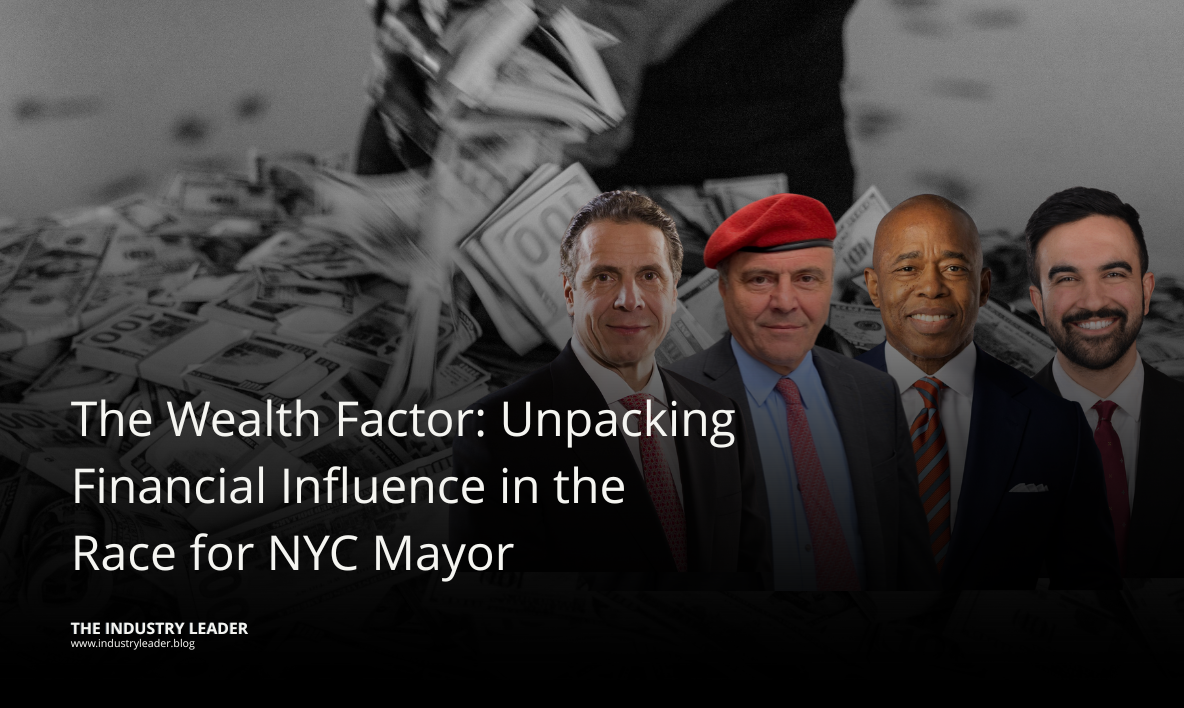
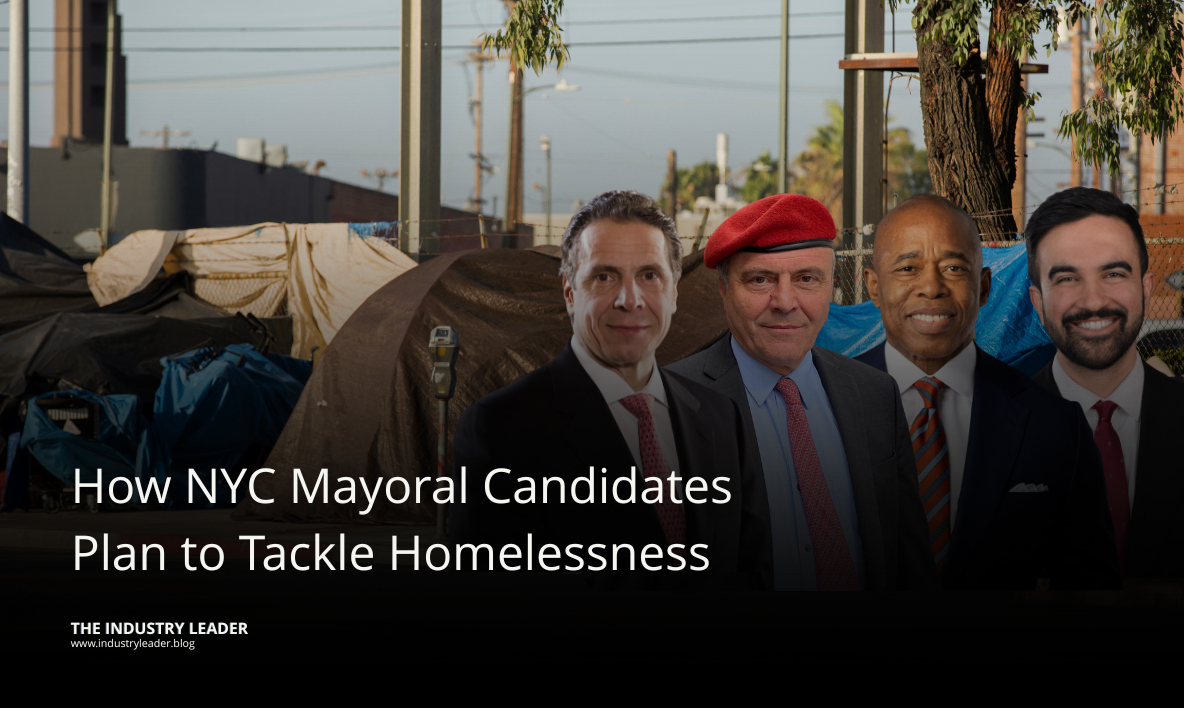
New York City’s homelessness crisis remains one of its most pressing challenges, with over 105,000 people sleeping in shelters nightly as of June 2025, a 12% surge from the previous year amid record-low affordable housing vacancy rates. Rooted in factors like soaring rents, evictions, and insufficient permanent housing, the issue has drawn starkly contrasting proposals from mayoral candidates Zohran Mamdani, Eric Adams, Andrew Cuomo, and Curtis Sliwa. Each approaches key elements—the right to shelter under the 1981 Callahan v. Carey consent decree, emergency vs. permanent housing, safe havens, street outreach and sweeps, funding, zoning, and eviction protections—with visions shaped by their records and rhetoric. As advocates like the Coalition for the Homeless emphasize housing-first strategies over punitive measures, these candidates’ stances reveal deep policy divides.
Mayor Eric Adams, seeking re-election, has defended the right to shelter decree but faced criticism for efforts to limit it, particularly for migrants, arguing it strains city resources. His administration prioritizes emergency shelters and transitional options, announcing a $650 million investment in 2025 to expand safe haven beds—low-barrier facilities offering medical and mental health services—to over 900 new units, citing success in moving people like Antonio Durham from subways to stability. Adams has aggressively pursued encampment sweeps, clearing makeshift sites since 2022 to “keep New Yorkers safe,” often pairing them with outreach teams and police. Critics, including the Coalition for the Homeless, argue this “prioritizes policing over housing-first,” displacing 4,504 unsheltered individuals without sustainable solutions and destroying belongings. On funding, Adams relies on city budgets supplemented by state and federal aid, partnering with nonprofits for safe havens, but advocates decry insufficient permanent housing investment. He supports zoning reforms via “City of Yes” to boost affordable units, though not specifically for homeless projects, and backs eviction prevention through legal aid expansions. Service providers like Breaking Ground praise safe havens for attracting the unsheltered, but groups like VOCAL-NY slam sweeps as “harmful and ineffective.”
Zohran Mamdani, a state assembly member and socialist-leaning candidate, champions a housing-first model, viewing homelessness as a symptom of inequality. He supports strengthening the right to shelter decree against erosion, criticizing attempts to undermine Callahan v. Carey’s mandate for unconditional shelter. Mamdani favors permanent supportive housing over emergency shelters, advocating for “good cause eviction” laws to cap rent hikes and prevent arbitrary removals, alongside universal rent control and a rent freeze to curb evictions—the leading cause of homelessness. He opposes encampment sweeps, calling for reinvesting police funds into social services, street outreach, and safe havens as bridges to stability rather than enforcement tools. Funding-wise, Mamdani pushes public reinvestment, including $25 million for eviction prevention via legal aid, partnering with nonprofits and diverting from policing budgets. He backs zoning changes for denser affordable housing but prioritizes community input to avoid displacement. Tenant advocates like Housing Justice for All endorse his approach, highlighting how good cause protections could reduce shelter entries by 20-30%, per similar policies elsewhere. Mamdani’s record includes co-sponsoring bills for tenant protections, embodying a long-term, equity-focused vision.


Former Governor Andrew Cuomo, now running for mayor, has a mixed record on homelessness. His 2016 executive order mandated removing unsheltered people during freezing weather, defending the right to shelter while emphasizing safety, but critics noted it shifted costs to NYC without adequate state support, straining relations with mayors like de Blasio. Cuomo’s $20 billion affordable housing plan, launched in 2017, aimed to create 100,000 units and 6,000 supportive beds, favoring permanent housing over emergency shelters. He supports safe havens and street outreach but has echoed Adams on mental health-focused interventions. Recently, Cuomo proposes building 500,000 new units citywide, repurposing sites like LeFrak City for affordability, and expediting zoning and permits to cut red tape. Funding would blend state, federal, and private partnerships, with past criticism over delayed disbursements. He backs eviction moratoriums and tenant protections but prioritizes supply-side solutions. Stakeholders like former HUD Secretary Henry Cisneros praise his housing vision, while the Coalition faults his administration for insufficient focus on NYC-specific needs.
Curtis Sliwa, the Guardian Angels founder and repeat candidate, criticizes the right to shelter decree as overburdening the system, advocating reforms to prioritize mental health and substance abuse treatment. He favors transitional housing by repurposing vacant hotels and mental health facilities, opposing large emergency shelters in residential areas like Brooklyn’s Coyle Street. Sliwa promotes “compassionate policing” for street outreach, blending enforcement with services, and expanding psych beds to address unsheltered homelessness. He rejects encampment sweeps without alternatives but blames defunded police for rising issues. Funding strategies include city reallocations and private partnerships, criticizing “City of Yes” zoning for ignoring community input on homeless projects. 98 Sliwa supports eviction prevention but focuses on “fixing shelters” and reinstating NYPD homeless units. Community groups in protests against shelters applaud his stance, while critics like Mamdani argue it leans too heavily on policing.
At the heart of these debates lies the tension between short-term sheltering—emphasized by Adams and Sliwa through sweeps and transitional beds—and long-term stability via housing-first and eviction protections, championed by Mamdani and Cuomo. Adams embodies enforcement-driven interim fixes; Mamdani, systemic equity; Cuomo, large-scale building; Sliwa, community-protected compassion. As NYC grapples with 35,000 homeless children alone, voters must weigh which vision fosters a sustainable future.
Stay tuned for more election coverage, and follow KIRU (@highaski) on X for updates.
Information published to or by The Industry Leader will never constitute legal, financial or business advice of any kind, nor should it ever be misconstrued or relied on as such. For individualized support for yourself or your business, we strongly encourage you to seek appropriate counsel.