Labor’s Grip on Gracie Mansion: Unions in the 2025 NYC Mayoral Election
From Endorsements to Street Campaigns: Labor’s Impact on Mamdani, Adams, and Cuomo
every industry needs a leader
•
empower the leader in you
•
every industry needs a leader • empower the leader in you •
The Long Shadow of Labor in NYC Politics
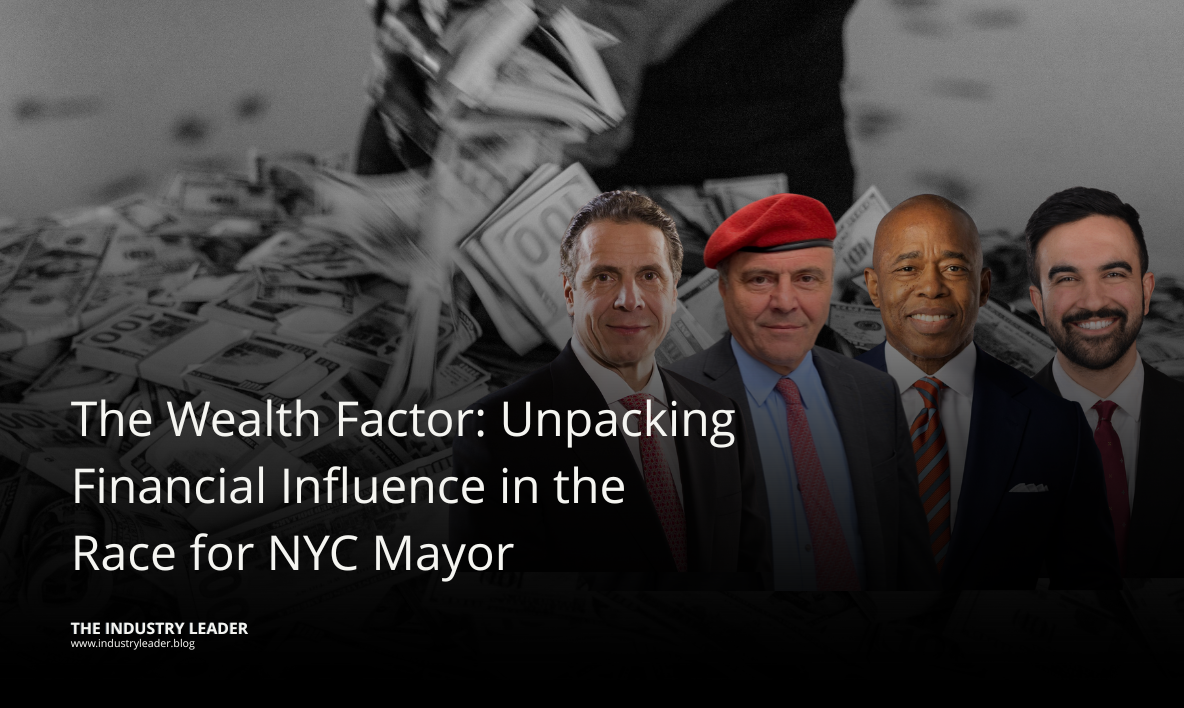
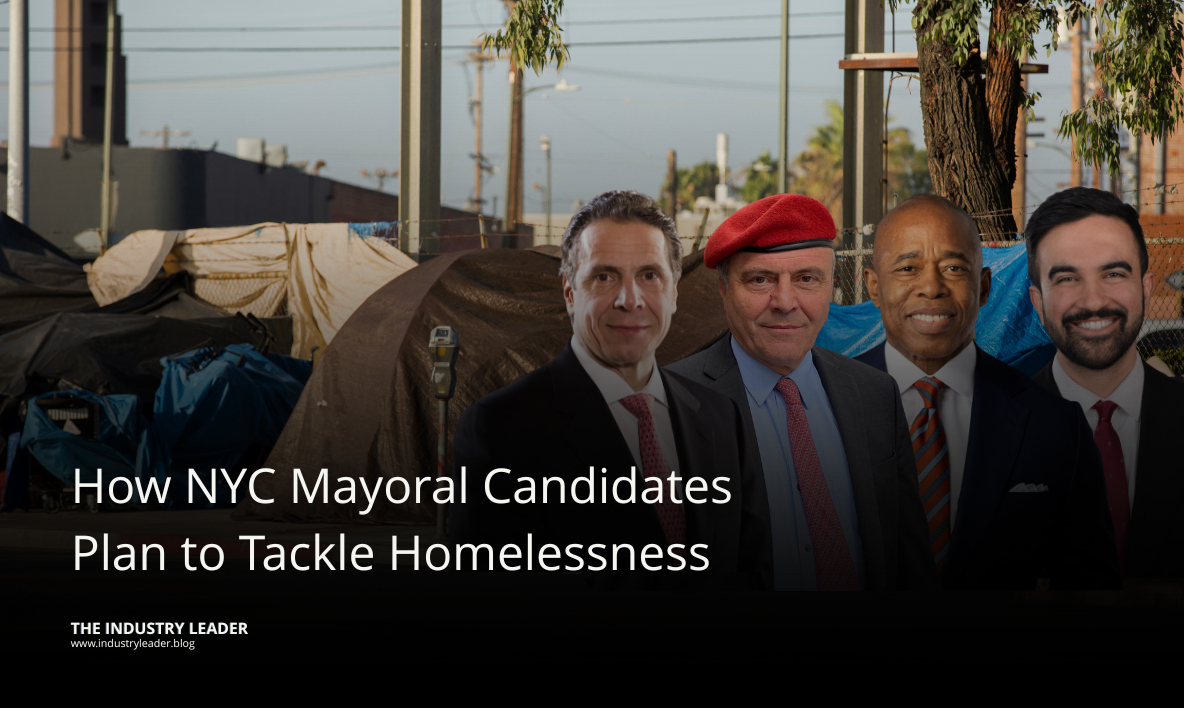
New York City’s labor unions have long been a formidable force in municipal politics, casting a shadow that stretches back to the early 20th century when figures like Fiorello La Guardia rose to power with the backing of organized workers. From the garment workers’ strikes of the 1910s to the transit workers’ walkouts in the 1960s, unions have shaped the city’s economic and political landscape. Today, with over 1.5 million union members in the metro area, they represent a diverse array of sectors: teachers via the United Federation of Teachers (UFT), transit workers through the Transport Workers Union (TWU), healthcare professionals under 1199SEIU, and building trades like Local 32BJ. These groups wield influence by aligning candidates’ platforms with priorities such as fair wages, pension security, affordable housing, and worker protections. In mayoral races, unions don’t just vote—they mobilize, fund, and legitimize contenders, often tipping the scales in a city where voter turnout can hinge on grassroots energy. As the 2025 race heats up post-primary, with Democratic nominee Zohran Mamdani facing independents Eric Adams and Andrew Cuomo, unions’ role remains pivotal in determining who occupies Gracie Mansion.
Endorsement Power: Who’s Backing Whom in 2025?
Endorsements from unions serve as badges of legitimacy, signaling to voters that a candidate aligns with working-class interests while unlocking fundraising and volunteer networks. In the 2025 race, the landscape has shifted dramatically since the June 24 Democratic primary, where Mamdani upset Cuomo. Post-primary, progressive Democrat Mamdani has consolidated significant labor support. The UFT, which sat out the primary, endorsed him for the general election, citing his commitment to public education. Similarly, 1199SEIU, a powerhouse representing 200,000 healthcare workers, rescinded its initial backing of Cuomo and switched to Mamdani, emphasizing his pro-labor stance on healthcare access. 17 DC37, the largest municipal workers’ union with 150,000 members, also threw its weight behind Mamdani, praising his focus on city employee rights. Progressive-leaning groups like the New York City Central Labor Council AFL-CIO and UAW Region 9A have rallied around him, viewing his democratic socialist platform as a bulwark against establishment figures.
Incumbent Eric Adams, running as an independent after parting ways with the Democrats, has leaned heavily on law enforcement unions. He secured endorsements from 13 police and uniformed services groups, including corrections and sanitation unions under the NYC Uniformed Forces Coalition 2025, bolstering his “law-and-order” image. 16 49 However, the powerful Police Benevolent Association (PBA) has yet to commit, leaving a gap in his support.
Andrew Cuomo, also an independent after his primary loss, started with some union traction but has seen it erode. Early backers like 1199SEIU, Local 32BJ, and the hotel workers’ union defected to Mamdani amid concerns over his scandals and perceived moderation. He retains nods from the Deputy Sheriffs’ Benevolent Association and Electrical Workers Union Local 3, drawing on his gubernatorial legacy of infrastructure deals. These shifts underscore how endorsements can propel momentum: Mamdani’s surge in polls (leading by 10 points over Cuomo) correlates with his labor consolidation, while Adams and Cuomo scramble to portray themselves as pro-worker amid fragmentation.
PAC Money and Campaign Infrastructure
Union-affiliated political action committees (PACs) amplify labor’s voice through direct contributions, independent expenditures, and coordinated campaigns. In NYC, where public matching funds cap individual donations, PACs enable unions to deploy resources for TV ads, digital outreach, and mailers. While specific 2025 figures from the NYC Campaign Finance Board are ongoing, patterns show Mamdani benefiting from grassroots union PACs tied to progressive groups like the Working Families Party, funding targeted ads in immigrant-heavy districts. His campaign contrasts with Adams’ reliance on deep-pocketed law enforcement PACs, which have fueled his independent bid with ads emphasizing public safety. Cuomo, leveraging past alliances, has seen PAC support wane as unions redirect funds—1199SEIU alone spent millions in prior cycles, now aiding Mamdani’s digital push. This financial muscle shapes narratives: Mamdani’s PAC-backed messaging highlights equity, while Adams and Cuomo counter with stability-focused expenditures.


Ground Game: Street Organizing and Labor’s Boots on the Ground
Unions excel at the “ground game,” turning endorsements into action through canvassing, voter registration, and get-out-the-vote (GOTV) efforts. In 2025, Mamdani’s allies, including DC37 and UFT, are prioritizing youth and immigrant communities in Queens and Brooklyn, hosting rallies and door-knocking drives to boost turnout in low-propensity areas. Adams’ uniformed union backers focus on seniors and city employees, organizing town halls in Staten Island and the Bronx to emphasize pension protections. Cuomo’s remaining supporters, like Local 3, engage in visibility events but struggle with mobilization amid defections. These strategies highlight unions’ ability to drive turnout—historically, union-heavy districts see 10-15% higher participation, potentially decisive in a multi-candidate race.
Case Study Flashbacks: 2013, 2021, and Beyond
Unions have been kingmakers in past races. In 2013, Bill de Blasio’s surge was fueled by 1199SEIU’s endorsement and PAC spending, propelling him from underdog to mayor with a progressive agenda. In 2021, Eric Adams, a former cop and union member, courted labor loyalty with UFT and DC37 backing, framing himself as the “blue-collar” candidate to win amid crime concerns. Cuomo’s gubernatorial tenure built alliances with building trades for projects like the Second Avenue Subway, but his 2021 resignation over scandals fractured those ties, evident in his 2025 losses. These flashbacks show unions’ decisive moves: endorsements and mobilization can reshape fields, as seen in Mamdani’s primary upset.
The Push and Pull of Progressive vs. Traditional Labor
The 2025 race exposes fractures within labor: traditional trade unions (e.g., building trades) often prioritize jobs and contracts, while progressive groups like DSA-aligned chapters push social justice and anti-establishment reforms. Mamdani’s socialist stance appeals to the latter, drawing UAW and Central Labor Council support, but risks alienating moderates wary of his charter school critiques. Adams courts traditionalists with pro-police rhetoric, while Cuomo’s centrist appeal has faltered amid progressive insurgencies. This tension—evident in unions switching from Cuomo to Mamdani—reflects a broader shift toward insurgent energy, potentially unifying labor behind change or deepening divides.
Labor’s Seat at the Table—Kingmakers or Co-Pilots?
In the 2025 race, unions appear more as kingmakers than mere influencers, with their endorsements and resources likely deciding the outcome in a splintered field. If Mamdani wins, labor could gain a stronger voice in progressive policies; an Adams or Cuomo victory might reinforce traditional alliances but at the cost of reform. Will unions’ power grow in an era of rising inequality, or face dilution from anti-union trends? As NYC evolves, labor’s role remains central—shaping not just elections, but the city’s future.
Stay tuned for more deep dives on the 2025 mayoral election and follow KIRU (@highaski) and The Industry Leader (@theindustrylead) on X for real-time updates and analysis.
Information published to or by The Industry Leader will never constitute legal, financial or business advice of any kind, nor should it ever be misconstrued or relied on as such. For individualized support for yourself or your business, we strongly encourage you to seek appropriate counsel.