From Shopfronts to Ballots: Small Businesses in NYC’s 2025 Race
Navigating Taxes, Rents, and Recovery in a High-Stakes Election
every industry needs a leader
•
empower the leader in you
•
every industry needs a leader • empower the leader in you •
Storefront Power: How Small Business Owners Are Shaping the 2025 NYC Mayoral Race
New York City’s small business owners, numbering over 200,000 and employing half of the private workforce, are emerging as a pivotal voting bloc in the 2025 mayoral election set for November 4. 55 This diverse group—spanning bodegas in the Bronx to tech startups in Brooklyn—grapples with economic pressures that candidates must address to win their support. As gentrification accelerates and post-pandemic recovery lags, these entrepreneurs are influencing policy debates on everything from taxes to public safety.
Top Issues Facing NYC’s Small Business Owners in 2025
Small business owners in NYC face a confluence of challenges, with recent surveys highlighting onerous permitting and inspection processes as a primary hurdle, often delaying openings and increasing costs. High commercial taxes and regulatory fees exacerbate this, compounded by uncertainties in federal tax and trade policies that limit access to affordable capital. Inflation remains a top concern for 27% of owners, down slightly from prior quarters but still driving revenue worries amid reduced foot traffic. Lingering COVID-related debt persists, with business formations in established industries showing uneven recovery since the pandemic. For immigrant- and minority-owned businesses, which constitute a significant share, barriers include high interest rates on loans and lack of support, with 77% reporting rent overburden. Commercial rent hikes and displacement due to gentrification threaten long-standing storefronts, particularly in areas with soaring property values.
How Mayoral Candidates Are Addressing These Issues
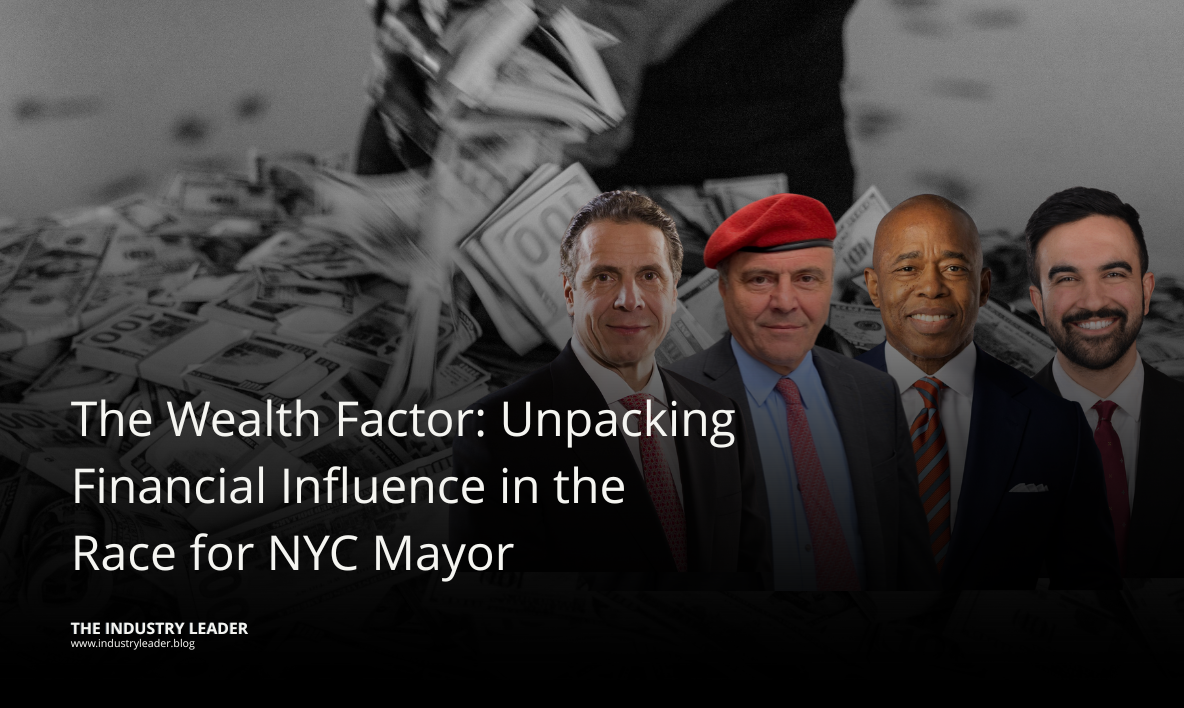
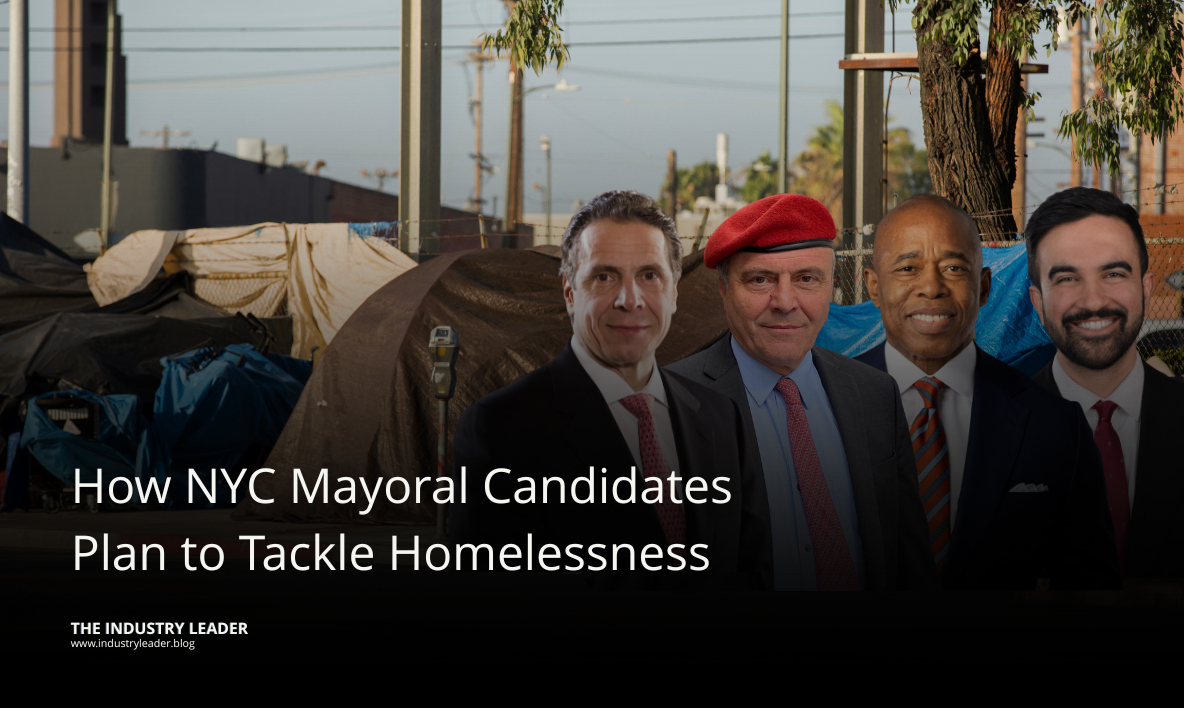
Incumbent Eric Adams, running as an independent after opting out of the Democratic primary, has focused on reducing bureaucratic hurdles through initiatives like the NYC Future Fund, a revenue-based loan program launched in May 2025 to aid cash flow fluctuations. His administration implemented Local Law 151 in 2023, part of the Small Business Forward program, which cuts regulatory burdens, and boasts record business starts in outer boroughs. Adams has also tied public safety to economic recovery, announcing investments in neighborhood revitalization.
Democratic nominee Zohran Mamdani, who secured the primary with 56% of the vote, emphasizes economic justice, proposing a rent freeze for stabilized units to combat displacement and commercial rent hikes. His platform includes licensing reforms and support for minority-owned firms through higher corporate taxes funding free childcare and a $30 minimum wage, aiming to lower operational costs. Mamdani engages this base via tenant advocacy, though some business leaders express concerns over potential impacts on investment.


Andrew Cuomo, the former governor running independently after placing second in the Democratic primary, appeals to owners with his economic record, including proposals to expand opportunities for minority- and women-owned businesses (MWBEs) through city contracts. Backed by $10 million from business interests, he focuses on affordability, criticizing rivals’ policies as detrimental to growth. Cuomo’s past governance suggests pro-business stances, such as supporting minimum wage hikes, though he faces calls to consolidate with Adams to avoid splitting votes.
Republican candidate Curtis Sliwa, founder of the Guardian Angels, resonates with outer-borough owners by linking public safety to economic empowerment, arguing that crime deters foot traffic and investment. His messaging emphasizes anti-bureaucracy reforms and positions the Angels as community protectors aiding businesses. Sliwa has met with business leaders to discuss grassroots campaigns, focusing on reducing regulations.
Where This Voter Bloc Shows Up Most Powerfully and Their Organization
Small business influence is amplified through organizations like Business Improvement Districts (BIDs), which number over citywide and fund neighborhood enhancements, with recent grants announced in May 2025. Chambers of commerce and coalitions, such as the Manhattan Chamber, shape endorsements, with groups like the NFIB backing pro-business candidates. In the election, BIDs and hyperlocal groups drive turnout, though labor endorsements favor Mamdani.
How Demographics and Location Shape Political Behavior
Political leanings vary by location and demographics. In gentrifying areas like Bushwick and Harlem, owners face displacement from rising rents, often supporting rent control advocates like Mamdani. Outer-borough corridors such as Astoria, Flushing, and the South Bronx, where business growth is strongest, lean toward safety-focused candidates like Sliwa, with Asian-owned firms (17.6% of minority businesses) prioritizing capital access. Immigrant-owned businesses, burdened by language barriers and fines, demand better voter engagement and support policies addressing disinvestment. Black- and Brown-owned enterprises, disproportionately hit by gentrification, navigate long-term inequities, influencing endorsements for economic justice platforms.
Small business owners, once viewed merely as neighborhood anchors, are now vocal architects of NYC’s political future, demanding reforms that sustain their vitality. Stay tuned for more election updates and follow KIRU @highaski and The Industry Leader @theindustrylead on X (Twitter).
Information published to or by The Industry Leader will never constitute legal, financial or business advice of any kind, nor should it ever be misconstrued or relied on as such. For individualized support for yourself or your business, we strongly encourage you to seek appropriate counsel.