The Rise of First-Gen New Yorkers: A Pivotal Force in the 2025 Mayoral Race

From systemic barriers to community-led movements, explore how this growing and diverse voter bloc is shaping New York City's political future, with eyes on the 2025 mayoral race.
every industry needs a leader
•
empower the leader in you
•
every industry needs a leader • empower the leader in you •
New York City, a global beacon of diversity, is home to an ever-growing population of "first-generation New Yorkers"—individuals born in the U.S. to immigrant parents. This diverse cohort spans communities from Caribbean and South Asian families in Queens to West African and Latinx communities in the Bronx and Brooklyn, making up a significant and increasingly influential segment of the city's electorate. As the 2025 NYC mayoral race heats up, understanding the evolving political engagement of this demographic is crucial, revealing both persistent challenges and burgeoning forms of empowerment.
Systemic Barriers + Historical Underrepresentation
Despite their sheer numbers, first-generation New Yorkers have historically faced systemic barriers to full civic participation. Navigating translation gaps and deficiencies in civic education within immigrant households often leaves individuals less informed about the intricacies of the political process. A prevailing fear or distrust of government, often stemming from parents' experiences in their home countries, can also deter engagement. Furthermore, economic pressures and time constraints, common in many immigrant families where young adults often contribute significantly to household income, limit the capacity for sustained civic involvement. These obstacles intersect with broader issues like housing instability, educational disparities, and precarious job access, which are core concerns for many first-gen families and can compound disillusionment with the political process. Voter turnout in New York City has seen consistent declines since the 1980s, with general election turnout for mayoral races falling below 30% since 2009. The 2021 mayoral elections, for instance, saw particularly low turnout among younger age groups, with the 18-29 demographic registering only 11.1% in the November general election. This low turnout is especially pronounced in majority-minority community districts, many of which have high concentrations of immigrant and first-generation residents.
Organizing, Empowerment, and the Rise of Community-Led Movements
Despite these hurdles, first-generation New Yorkers are increasingly organizing and building political power from the ground up. Community-led movements, often fueled by younger activists, are leveraging social media and mutual aid networks—which saw a significant resurgence during the COVID-19 pandemic—to mobilize and educate their peers. Organizations like Bottom Line New York are actively working to support first-generation college students, demonstrating a broader effort to empower this demographic in their educational and professional paths, which indirectly strengthens their civic capacity.
Specific communities have shown notable increases in political activism. For example, Bangladeshi youth in Jackson Heights, Afro-Caribbean neighborhoods in Flatbush, and Mexican-American organizers in the South Bronx are increasingly active in local politics, advocating for issues directly impacting their families and communities. The 2025 NYC Votes Youth Ambassador Program, for instance, aims to engage young New Yorkers aged 14-18 in civic engagement, providing paid opportunities for community service and leadership development, thereby fostering a new generation of politically active first-gen residents.


The Candidates’ Relationship to This Voter Bloc
The evolving landscape of first-generation political engagement is having a tangible impact on the 2025 mayoral race, shaping how candidates approach this crucial voter bloc.
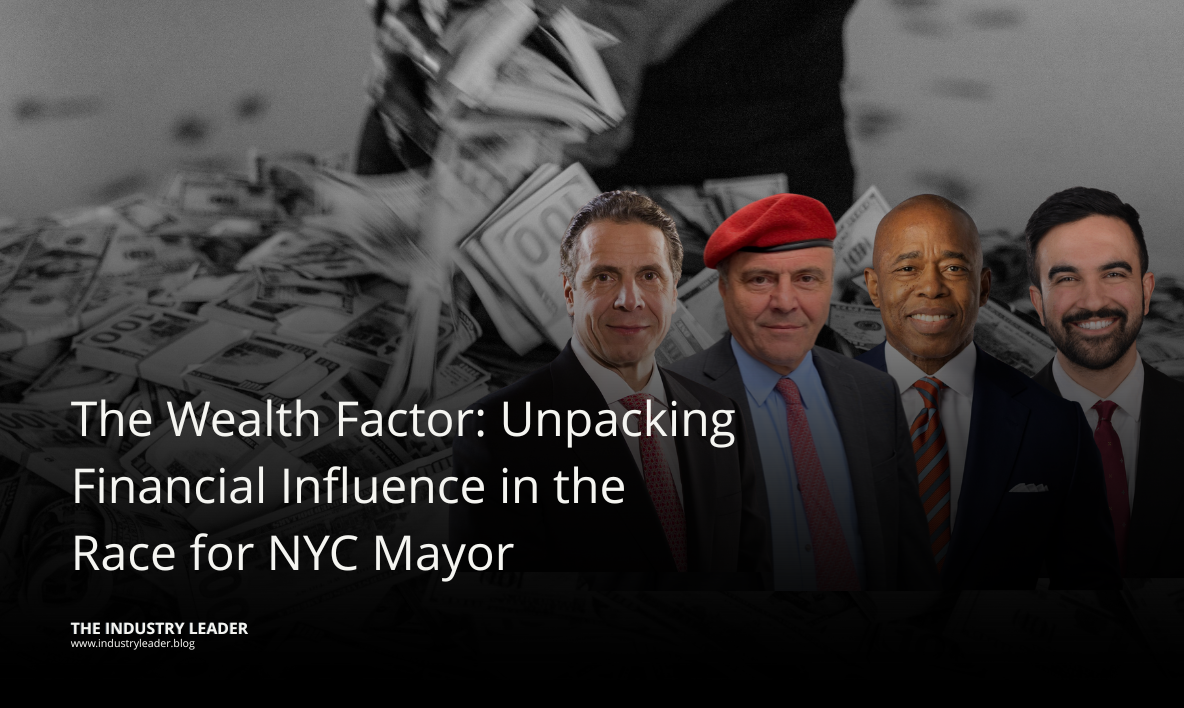
Mayor Eric Adams, despite his recent pivot to running as an independent, often frames his narrative as the son of a working-class Brooklyn family who overcame struggle. This resonates with some first-gen voters who see in him a familiar story of upward mobility. However, his law enforcement background and moderate platform can be a source of conflict for other segments of this diverse group, particularly those concerned with issues of police accountability and immigration enforcement. His administration's focus on public safety and economic development aims to appeal to a broad base, but whether it sufficiently addresses the specific needs and concerns of first-generation communities remains a key question.
In contrast, Zohran Mamdani, himself a first-generation Ugandan-Indian New Yorker, has cultivated grassroots support in immigrant-heavy areas. His campaign messaging and organizing efforts explicitly center first-gen experiences, highlighting issues such as affordable housing, education equity, and public transit. Mamdani's recent decisive victory in the Democratic mayoral primary, where he significantly outpolled Andrew Cuomo, was notably propelled by young and first-time voters. Data analysis showed that nearly a quarter of early voters had never before participated in a Democratic primary in NYC, and roughly 40% of early voters were under 40. This suggests that his progressive platform and identity as a younger, first-gen candidate resonate strongly with this emerging electorate. His campaign's robust digital engagement, outpacing rivals significantly, further underscores his connection with a younger, digitally native first-gen population.
While not a candidate, billionaire investor Bill Ackman plays a significant behind-the-scenes role, now publicly backing Mayor Adams and urging former Governor Andrew Cuomo to step aside. Ackman's support for Adams, and his stated desire to prevent NYC from becoming like "San Francisco or, God forbid, Los Angeles" due to perceived issues, aligns with a more business-friendly and fiscally conservative approach. This stance may appeal to a subset of upwardly mobile first-gen voters who prioritize economic stability and traditional public safety measures. However, his influence, particularly as a billionaire involved in city politics, often contradicts the priorities of many first-gen voters, especially younger and more progressive segments who are wary of wealthy donors shaping the city's future and advocate for greater equity and social safety nets.
Looking Ahead: What’s at Stake in 2025
The increased turnout and organizing among first-generation New Yorkers in 2025 could significantly reshape NYC politics. These voters are likely to prioritize issues such as truly affordable housing, with many young renters spending over 30% of their income on rent, and the median rent in Manhattan exceeding $5,000 in fiscal year 2025. Education equity, including addressing chronically under-resourced schools and inaccessible mental healthcare for students, is another critical concern. Immigration protections and public safety reforms—moving beyond punitive policing models to more holistic, community-centered approaches—also rank high on their agenda. The success of Zohran Mamdani in the primary, heavily supported by younger voters, signals a demand for bold solutions to these pressing issues and a challenge to the status quo. This pivotal moment for New York City's changing electorate will determine not only who leads the city but also the policy priorities for years to come.
Stay tuned for more updates on the election, and follow KIRU (@highaski) and The Industry Leader (@theindustrylead) on X (Twitter).
Information published to or by The Industry Leader will never constitute legal, financial or business advice of any kind, nor should it ever be misconstrued or relied on as such. For individualized support for yourself or your business, we strongly encourage you to seek appropriate counsel.