The Real Power at Home: Why Local Elections Shape Your Daily Life More Than Presidential Ones

Exploring NYC's Mayoral Contenders and Historical Lessons on Municipal Governance
every industry needs a leader
•
empower the leader in you
•
every industry needs a leader • empower the leader in you •
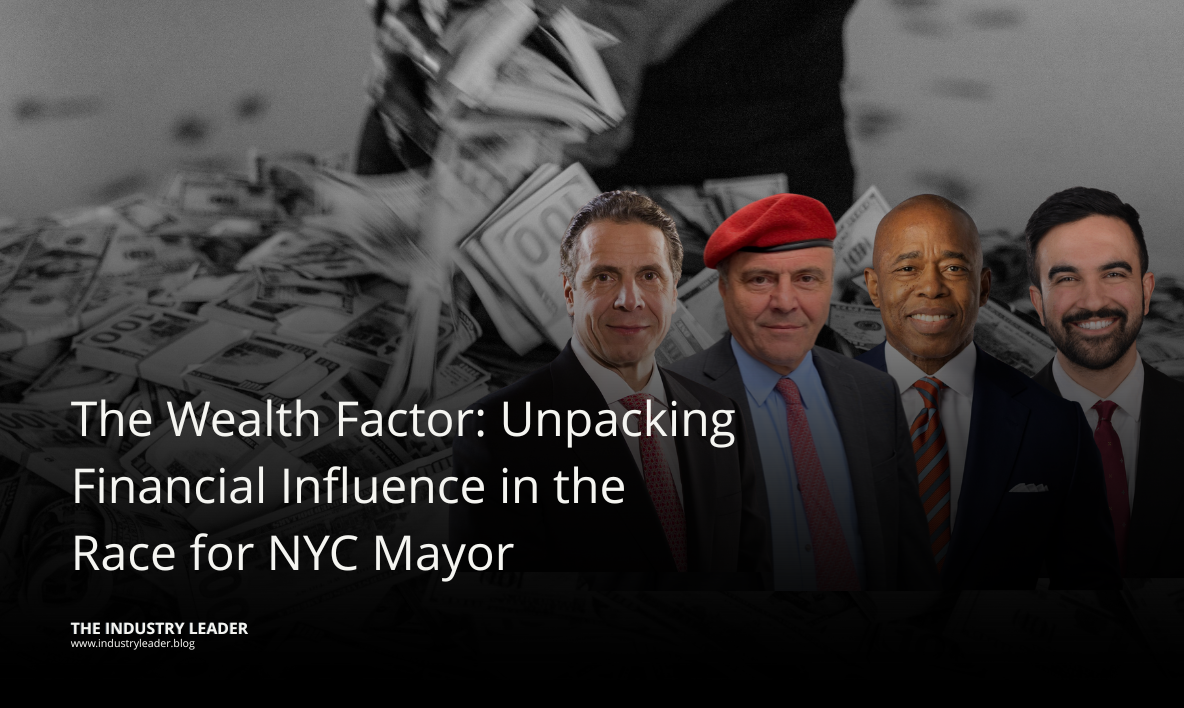
While the drama of presidential elections captures the nation's attention—complete with rallies, debates, and endless cable news cycles—it's the quieter, often overlooked local races that truly dictate the rhythm of daily life. In New York City, where over 8 million residents navigate everything from skyrocketing rents to crowded subways, decisions on housing, public safety, education, and even trash pickup are forged in City Hall and Albany, not the White House. These municipal and state-level choices have immediate, tangible effects, far outpacing the symbolic or delayed impacts of federal policy. As the 2025 mayoral election heats up, with candidates like incumbent Eric Adams running as an independent, Democratic nominee Zohran Mamdani, and former Governor Andrew Cuomo mounting a third-party bid, the stakes underscore how local power can redefine urban living in ways a president simply cannot.
Consider Eric Adams' tenure as mayor since 2022. Elected on a platform of law and order amid rising crime concerns, Adams has shaped New York City's post-pandemic recovery through hands-on policies on public safety and economic revitalization. His administration boosted police budgets and implemented initiatives like the "Summer Rising" program to combat youth violence, while pushing for affordable housing amid a crisis where median rents hover around $3,800. Yet, controversies— including federal investigations into his campaign and criticisms over migrant shelter management—have eroded trust, highlighting how a mayor's decisions directly affect residents' sense of security and affordability. In a city still reeling from COVID-19's economic scars, Adams' focus on "getting stuff done" has meant tangible changes, like expanded mental health services in subways, but also backlash over cuts to libraries and schools. This local leadership contrasts sharply with federal aid, which often arrives filtered through bureaucratic layers.
On the other end of the spectrum is Zohran Mamdani, the 33-year-old Democratic Socialist Assemblymember from Queens who stunned the political establishment by winning the June 24 Democratic primary with 56% of the vote after ranked-choice tabulations. Mamdani's grassroots campaign emphasized tenant protections, such as stronger rent stabilization laws to combat evictions, and MTA reforms for better accessibility and lower fares. As a state legislator, he's championed decriminalization efforts, like reducing penalties for low-level offenses, and pushed for public power initiatives to lower energy costs. His rise reflects a shift toward progressive priorities in local governance, challenging the status quo on issues like police accountability. If elected, Mamdani's vision could reshape citywide policies, prioritizing equity over austerity— a direct counter to Adams' more centrist approach. This illustrates how local figures can drive reforms that federal leaders might endorse but rarely implement at street level.
Andrew Cuomo's shadow looms large, blending state and municipal influence during his governorship from 2011 to 2021. Though resigned amid scandal, Cuomo's legacy on local matters remains potent: he oversaw MTA funding and operations, often clashing with city officials over subway maintenance and expansions. His control of the state's public housing authority led to mixed results, with investments in NYCHA repairs but criticisms for underfunding amid deteriorating conditions. During the COVID-19 pandemic, Cuomo's mandates— from lockdowns to vaccine requirements— directly impacted New Yorkers' daily lives, overriding some city decisions and blurring jurisdictional lines. Now, as a third-party candidate in the 2025 race after losing the Democratic primary to Mamdani, Cuomo positions himself as a pragmatic fixer, slamming rivals like Adams as "spoilers" while promising efficient governance. His bid highlights how state-level power can trickle down to municipal realities, often more viscerally than presidential edicts.


History bolsters this argument. Fiorello La Guardia's mayoralty during the Great Depression (1934–1945) transformed New York through bold infrastructure projects, securing federal New Deal funds for parks, airports, and housing that still define the cityscape. Without his local advocacy, landmarks like LaGuardia Airport might not exist. In the early 1990s, David Dinkins, the city's first Black mayor, launched the "Safe Streets, Safe City" program, reallocating budgets to hire more police and community officers, which helped curb crime rates and shift public perceptions— a local fix that predated national trends. Michael Bloomberg's era (2002–2013) exemplified municipal innovation with public health policies: his smoking ban in bars and restaurants, followed by calorie labeling on menus, not only improved urban health but influenced federal regulations years later. These examples show how mayors can pioneer changes that ripple outward, often faster than Washington can act.
The tangible impacts of local elections are everywhere in daily routines. School curricula and decisions on charter school expansions or caps fall to city councils and boards, determining educational quality for millions of kids. Police and fire department funding directly influences response times and community relations— think neighborhood patrols versus federal border policies. Public transit maintenance and fare policies, overseen by mayoral appointees to the MTA board, affect commutes: a fare hike or delayed repair hits wallets and schedules immediately. Zoning laws dictate affordable housing construction, combating or exacerbating gentrification in areas like Brooklyn or the Bronx. Even mundane services like trash collection, street cleaning, and climate resilience efforts— such as flood barriers in vulnerable neighborhoods— stem from local ballots, not national ones. In a climate-challenged city like New York, these choices can mean the difference between flooded basements and resilient infrastructure.
Presidential elections, by contrast, carry immense symbolism— embodying national identity, foreign policy, and broad economic direction— but their effects on everyday life are often indirect and slow. A president's tax reforms might eventually trickle down, but a mayor's budget reallocations change your block overnight. This isn't to diminish federal importance; it's a call for balance. As New Yorkers head to the polls on November 4, 2025, the contest between Adams' independent campaign focused on stability, Mamdani's progressive push for systemic change, and Cuomo's experience-driven bid represents divergent paths for wielding local power. Adams and Cuomo's rivalry, with mutual accusations of splitting votes, could hand Mamdani an edge in polls showing him leading by double digits. Yet, the outcome will dictate how accountability is enforced, from tenant rights to transit equity.
Voters should match their presidential enthusiasm with local scrutiny— research your city council race, attend town halls, and recognize that the real power at home lies in these contests. In 2025, New York's mayoral election isn't just about who sits in Gracie Mansion; it's about shaping a livable city for all.
Stay tuned for more deep dives into the 2025 NYC mayoral election. For real-time updates, follow KIRU (@highaski) and The Industry Leader (@theindustrylead) on X (formerly Twitter).
Information published to or by The Industry Leader will never constitute legal, financial or business advice of any kind, nor should it ever be misconstrued or relied on as such. For individualized support for yourself or your business, we strongly encourage you to seek appropriate counsel.