What Can the Mayor Do to Improve the MTA—Even Without Direct Control?

As the mayoral race heats up, the battle to fix the city's transit reveals two starkly different philosophies of power and progress.
every industry needs a leader
•
empower the leader in you
•
every industry needs a leader • empower the leader in you •
For the millions who ride its subways and buses each day, the Metropolitan Transportation Authority (MTA) is New York City. Yet, the person who runs the city, the mayor, has remarkably little direct power over it. This seeming paradox sits at the heart of one of NYC's most persistent political challenges: how to fix a transit system you don't control. Despite this limitation, the mayor wields significant indirect influence. Through city policy, infrastructure investment, and sheer political leverage, the occupant of City Hall can profoundly shape the transit experience for every New Yorker.
The core of the issue lies in the MTA's governance. It is a state-run public authority, not a city agency. Its 23-member board is dominated by gubernatorial appointees, giving the Governor of New York effective control over its budget, priorities, and leadership. The Mayor of New York City directly appoints only four members, a voting bloc easily outnumbered. This structure means the mayor cannot simply decree better service, lower fares, or faster capital projects.
However, where direct authority ends, influence begins. The city’s own agencies are inextricably linked with the MTA’s operations. The Department of Transportation (DOT) controls the streets above the subways, the NYPD patrols the system, the Department of Homeless Services (DHS) conducts outreach on trains and in stations, and the city’s budget can be a source of crucial capital funds. This reality creates a complex dynamic where mayoral action—or inaction—can either bottleneck or accelerate MTA improvements.
Key Levers of Mayoral Influence
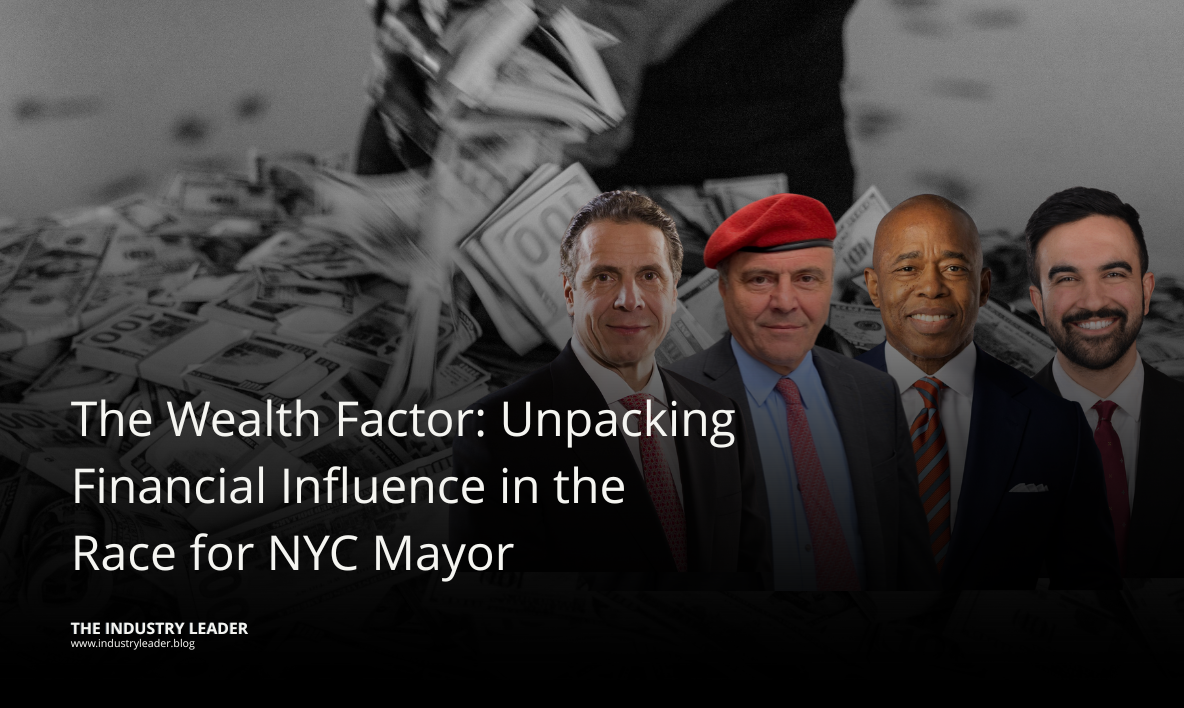
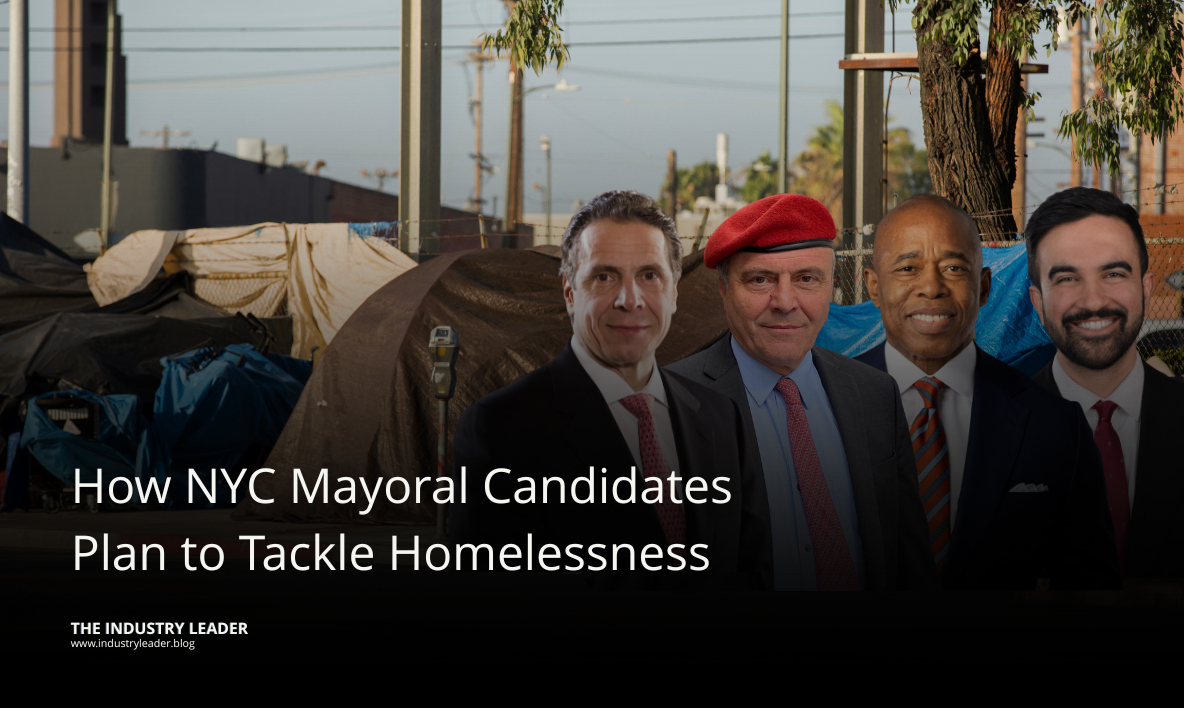
A mayor determined to improve transit has several powerful, albeit indirect, tools at their disposal. The current political landscape, with figures like the pragmatic Mayor Eric Adams and the progressive legislator Zohran Mamdani shaping the debate, highlights the different ways these tools can be used ahead of the 2025 mayoral race.
1. Congestion Pricing: The Contested Future of Funding
Congestion pricing was long hailed as a transformative policy to simultaneously fund the MTA’s multi-billion-dollar capital needs, reduce crippling traffic in Manhattan, and improve air quality. The plan, which would toll vehicles entering Manhattan’s central business district, was set to direct an estimated $1 billion annually to the MTA for critical upgrades like new signals, accessible stations, and modern train cars.
However, the Governor’s abrupt pause of the program in June 2024 threw the MTA’s finances and future into disarray. This is where mayoral leadership becomes critical.
Mayor Adams’s Stance: Mayor Adams has maintained a cautious public stance. While not opposing the policy outright, he has frequently raised concerns about its financial impact on outer-borough residents and small businesses who drive into Manhattan. His approach reflects a balancing act, aiming to secure MTA funding without alienating a key political constituency.
Zohran Mamdani’s View: In stark contrast, Assemblymember Mamdani has been a fierce and unequivocal supporter. He views congestion pricing as a fundamental issue of transit equity, arguing that the revenue is non-negotiable for improving the bus and subway service that millions of working-class New Yorkers rely on. For supporters like Mamdani, any delay is a betrayal of transit riders.


2. Bus Rapid Transit and Lane Enforcement: Masters of the Surface
While the subways are underground, the city’s 2.5 million daily bus riders depend on what happens on city streets. This is where the mayor has the most direct power. Through the city’s DOT, the mayor can:
Expand the bus lane network: Creating dedicated, physically separated lanes can dramatically increase bus speeds and reliability.
Automate enforcement: Using cameras to ticket vehicles that block bus lanes is a powerful deterrent.
Redesign streets: Implementing transit-priority signals and curb adjustments can give buses a significant advantage over private cars.
Since 2022, the Adams administration has made progress, implementing a legal mandate to build 20 miles of new bus lanes annually. However, critics like Mamdani argue that the implementation lacks teeth. They point to bus lanes that are frequently blocked with little enforcement, and they call for stronger city oversight of the MTA's bus division to ensure that service improvements promised by street redesigns actually materialize. Mamdani’s vision includes a more aggressive and comprehensive network of busways, where buses are not just prioritized but given near-exclusive right-of-way on key corridors.
3. Subway Cleanliness and Station Accessibility
The day-to-day experience of a rider is shaped by the environment of the stations and trains. While the MTA is responsible for cleaning, the city plays a vital support role. The condition of the public space around station entrances, the presence of law enforcement, and outreach to the unsheltered population are all within the city’s domain.
Mayoral priorities heavily influence this dynamic. The Adams administration has emphasized a strategy of enhanced NYPD presence through the "Omnipresence" patrols to address crime and perceptions of safety. It has also coordinated with DHS for more assertive outreach to individuals sheltering in the system.
For station accessibility, the MTA is bound by the Americans with Disabilities Act (ADA). However, the city can be a crucial funding partner. Mayors can and have allocated city capital funds to supplement the MTA’s budget for installing elevators and ramps, accelerating the pace of compliance. This is a clear instance where a mayor can use the city’s budget to directly purchase a better rider experience.
Contrasting Philosophies: Pragmatism vs. Transformation
The approaches of Mayor Adams and Assemblymember Mamdani represent two competing visions for mayoral leadership on transit.
Eric Adams: The Pragmatic Dealmaker: Mayor Adams’s strategy is rooted in intergovernmental cooperation and incremental results. He seeks to restore post-pandemic ridership by focusing on core issues of safety and reliability. His approach involves negotiating with Albany, securing funding through established channels, and using city agencies to support the MTA’s existing framework. He is a manager focused on making the current system work better. Past mayors, like Michael Bloomberg, used a similar blend of city-led innovation (bike lanes, the 7-train extension) and partnership with the state to achieve their goals.
Zohran Mamdani: The Movement-Oriented Legislator: Mamdani’s platform is one of structural reform and public accountability. He champions big, transformative ideas like fare-free buses, arguing that transit is a public good that should not be dependent on rider fares. His strategy involves building a public movement to pressure both the city and state for fundamental changes to how the MTA is funded and governed. This approach frames transit not just as a service, but as a central battleground for economic and racial justice, prioritizing the needs of working-class and outer-borough communities who are most transit-dependent.
As the 2025 mayoral race approaches, the debate over the MTA reveals these divergent philosophies. Will voters favor a pragmatic leader who promises stability and incremental progress through cooperation? Or will they rally behind a transformative vision that calls for a radical rethinking of public transit? For millions of New Yorkers, the answer will determine the future of their daily commute.
Information published to or by The Industry Leader will never constitute legal, financial or business advice of any kind, nor should it ever be misconstrued or relied on as such. For individualized support for yourself or your business, we strongly encourage you to seek appropriate counsel.