Green Juice vs. Biryani: What the Plates of Eric Adams and Zohran Mamdani Reveal About Their Politics

A deep dive into the favorite meals of Mayor Adams and Assemblyman Mamdani—and what their plates tell us about their visions for New York.
every industry needs a leader
•
empower the leader in you
•
every industry needs a leader • empower the leader in you •
In New York City, you are what you eat—and more precisely, where you eat. Identity is baked into our daily bread, whether it’s a bacon-egg-and-cheese from the corner bodega, a dollar slice folded just so, or a specific dumpling spot in Flushing you’d defend with your life. Our culinary choices are badges of honor, declarations of neighborhood loyalty, and markers of who we are. So, in a city where every meal is a statement, what do our political leaders eat when the cameras aren’t rolling? Let’s pull back the curtain on two of the city’s prominent figures, Mayor Eric Adams and Assemblyman Zohran Mamdani, and see what their plates tell us about them.
Eric Adams: The Plant-Based Mayor with a Mission
It’s impossible to discuss Eric Adams without mentioning his most defining personal brand attribute: his plant-based lifestyle. After a type 2 diabetes diagnosis in 2016, the then-Brooklyn Borough President radically overhauled his diet, a journey he chronicled in his book, Healthy at Last. This transformation wasn’t just a private health choice; it became a public platform, a core tenet of his political identity.
As mayor, Adams’s diet is a living policy proposal. He champions a wellness-forward vision for New York, often seen promoting plant-based spots from the Bronx to Staten Island. He’s given shoutouts to health-conscious chains like Beatnic and famously attended the grand opening of the vegan fast-food sensation Slutty Vegan in Brooklyn, celebrating its arrival as a sign of a healthier future. His administration’s “Vegan Fridays” initiative in public schools is a direct translation of his personal plate onto public policy, aiming to steer the city’s youth toward better nutritional habits.
Of course, the path of a public foodie is fraught with peril. The Mayor faced a minor scandal when he was reportedly caught ordering fish at an Italian restaurant, a moment that sparked countless memes and a citywide debate on dietary purity. Yet, the incident humanized him, revealing the pressures of maintaining a strict public persona. For Adams, food is fuel, medicine, and message. His ideal New York is disciplined and health-conscious, a city that can innovate its way out of chronic disease—one kale smoothie and vegan cheesesteak at a time.


Zohran Mamdani: South Asian Staples and Queens Flavor
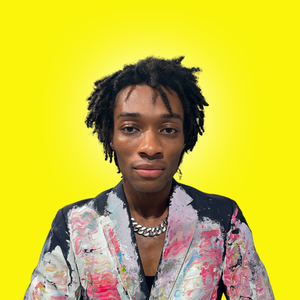
If Eric Adams’s food identity is a top-down vision of a healthier city, Assemblyman Zohran Mamdani’s is a ground-up celebration of the city’s multicultural mosaic. Representing parts of Astoria and Long Island City, the Queens-bred democratic socialist’s culinary tastes are deeply intertwined with his Ugandan-Indian heritage and the vibrant immigrant communities he serves.
While Adams projects a curated wellness brand, Mamdani’s food moments feel more spontaneous and deeply personal. His social media often features him not at polished vegan eateries, but in the bustling, family-owned establishments that are the lifeblood of his district. One can easily picture him grabbing a perfectly spiced kati roll from a vendor in Jackson Heights after a rally, debating policy over a steaming cup of masala chai, or sharing a dosa with constituents in the part of Astoria unofficially known as "Little India."
For Mamdani, food is an act of culinary solidarity. Championing a local biryani spot or a beloved neighborhood diner isn't just about a good meal; it's a way to support small businesses, preserve cultural heritage, and connect with the lived experiences of his constituents. Breaking bread—or rather, naan—is a political act, a symbol of his commitment to the diverse, working-class communities that make Queens a global food capital. His campaign trail often feels like a food tour of the 7 train line, a rolling feast of authenticity that stands in stark contrast to a more polished, press-release-driven food culture.
A Tale of Two Menus
The culinary preferences of Adams and Mamdani offer a fascinating glimpse into their different approaches to public life. Adams’s plate represents a vision of a new, improved New York—a city that can be centrally guided toward a healthier, more efficient future. His food choices are aspirational, reflecting a desire to transform and uplift. It’s a message of disciplined self-improvement projected onto the five boroughs.
In contrast, Mamdani’s meals are a celebration of the city as it already is, in all its chaotic, flavorful glory. His food choices are an endorsement of the existing cultural fabric, a way of saying that the city’s strength lies in its diverse, immigrant-run kitchens. It’s a ground-up vision that finds power and beauty in community traditions, not in a top-down wellness mandate. One sells a better New York; the other sells the real New York.
The Table is Political
In the end, it’s clear that in New York City, food is never just food. It’s culture, it’s community, it’s identity, and yes, it’s politics. Our leaders’ palates reveal how they see the world and the city they wish to lead. So, as New Yorkers consider their options, the question isn’t just about policy, but personality. Would you rather split a cold-pressed green juice with the mayor, or share a plate of biryani with your assemblyman? In a city of eight million stories, the menu is always political.
Information published to or by The Industry Leader will never constitute legal, financial or business advice of any kind, nor should it ever be misconstrued or relied on as such. For individualized support for yourself or your business, we strongly encourage you to seek appropriate counsel.