Bronx Voices: Are 2025 Mayoral Candidates Truly Listening?

As the 2025 mayoral race heats up, we analyze whether candidates are truly connecting with Bronx residents on housing, public safety, education, jobs, and environmental health.
every industry needs a leader
•
empower the leader in you
•
every industry needs a leader • empower the leader in you •
The Bronx, home to over 1.4 million New Yorkers, remains one of the city's most underserved boroughs, grappling with persistent challenges in investment and infrastructure. As the 2025 NYC mayoral election approaches, a critical question hangs in the air: Are the leading voices in this race truly listening to the concerns of Bronx voters? This article will explore the core issues facing the borough – housing, safety, education, job access, and environmental justice – and assess how incumbent Mayor Eric Adams, progressive Assemblyman Zohran Mamdani, and financier Bill Ackman (and any candidate he might support) are responding.
The Core Issues
Housing: Affordability is a crisis in the Bronx, where 34.7% of renter households were severely rent-burdened in 2023, spending over 50% of their income on rent. This issue disproportionately affects the borough, which has the highest proportion of non-white residents in the city. The median gross rent in the Bronx increased by 12% from $1,250 in 2006 to $1,400 in 2023, outpacing income growth. Public housing conditions are a major concern, with NYCHA residents facing long wait times for repairs. As of February 2025, the average wait time for NYCHA repairs was approximately 415 days, up from 370 days in May 2024. While the Bronx has seen the addition of 35,266 income-restricted housing units between 2010 and 2024, the low rental vacancy rate (2.1% in 2023) indicates that demand continues to outstrip supply. Homelessness has also spiked, with New York City accounting for 93% of the state's increase in total homeless population between 2022 and 2024. In January 2024, there were 89,119 people in Department of Homeless Services (DHS) shelters, with 34,057 being asylum seekers. Gentrification pressures are also felt, particularly in neighborhoods like Highbridge, where pre-pandemic rent increases were among the highest in the city.
Safety + Policing: Crime and public safety consistently rank as top concerns for New York City voters. While specific Bronx gun violence statistics for 2024 are still developing, citywide data indicates a significant focus on this issue. Police-community relations remain a sensitive topic, with calls for both increased public safety measures and police reform. Youth violence prevention and restorative justice programs are seen as crucial in a borough with a significant youth population.
Education: The debate between charter and public schools continues to shape the education landscape. Classroom conditions, the provision of Individualized Education Programs (IEPs) for students with disabilities, and overall college/career readiness rates are vital for the borough's future. More than 146,000 New York City students, or about one in eight, experienced homelessness during the 2023-24 school year, with concentrations in the southwest Bronx, highlighting the deep intersection of housing instability and educational attainment.
Jobs + Opportunity: With a poverty rate of 27.9% in 2023, compared to 18.2% citywide, unemployment and access to well-paying jobs are critical for Bronx residents. Youth job access and robust workforce development programs are essential to uplift the community. Fair wages are a consistent demand, as the median household income in some Bronx neighborhoods, like Morrisania, is less than half of New York City's median.
Environmental Justice: The Bronx faces disproportionately high rates of environmental health issues. Asthma rates are a significant concern, particularly in communities with high levels of industrial activity and traffic. Heat vulnerability is another issue, with many neighborhoods lacking sufficient green spaces and experiencing the urban heat island effect. Food deserts persist, limiting access to affordable, nutritious food, and equitable park access remains a priority for residents seeking green and recreational spaces.


The Candidates' Responses
Eric Adams: As the incumbent mayor, Eric Adams has focused heavily on public safety, often emphasizing a "tough on crime" stance. His administration has continued investments in policing and has launched initiatives aimed at addressing gun violence. On housing, Adams has pledged to build or preserve hundreds of thousands of affordable units citywide. However, critics point to the persistent NYCHA repair backlog and the ongoing homelessness crisis as areas where his administration's efforts have fallen short. His approach to the asylum seeker influx, including the implementation of shelter stay limits, has drawn both praise and criticism. While his administration has made high-profile visits to the Bronx and announced various community programs, the tangible impact on residents' daily lives regarding housing affordability and living conditions remains a central question for voters.
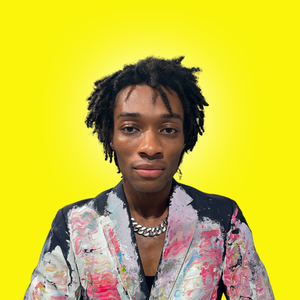
Zohran Mamdani: A left-wing Assemblyman from Queens, Zohran Mamdani's policy platform has significant appeal to progressive voters in the Bronx. He has campaigned on core issues that resonate deeply with the borough's concerns, including a proposed rent freeze on stabilized units, which directly addresses housing affordability. Mamdani's vision also includes free city buses, a measure that would significantly ease the financial burden on working-class Bronxites. He has also advocated for the creation of city-owned grocery stores to combat food deserts and a commitment to building 200,000 affordable housing units. His focus on systemic inequities and social justice issues, such as school inequities and housing justice, aligns with the long-standing advocacy of many Bronx community groups. Mamdani's campaign rhetoric often highlights the need for public investment in underserved communities, a message likely to resonate in the Bronx.
Bill Ackman (and Write-In Candidate): Financier Bill Ackman, known for his strong opinions on various city issues, has been a vocal proponent of pro-charter school policies, arguing for increased educational choice and accountability. His stance on policing often leans towards a more robust law enforcement presence, aligning with "tough on crime" sentiments. Ackman's anti-DEI (Diversity, Equity, and Inclusion) rhetoric, however, may face a mixed reception in the racially diverse, working-class neighborhoods of the Bronx. While Ackman himself is not a declared mayoral candidate, his potential support for a write-in candidate would likely signal a platform that emphasizes fiscal conservatism, business-friendly policies, and a more privatized approach to public services. The extent to which such proposals would address the nuanced challenges of housing, job access, and environmental justice in the Bronx, particularly for its most vulnerable residents, remains to be seen and would be a key point of contention for voters.
Conclusion: Listening, Promising, Delivering
As the 2025 mayoral election looms, Bronx voters are scrutinizing the candidates' platforms and past actions. Eric Adams, as the incumbent, faces the challenge of demonstrating tangible progress on issues like housing and safety. Zohran Mamdani offers a progressive vision centered on affordability and equity, potentially energizing a significant segment of the Bronx electorate. Bill Ackman's influence, whether direct or through a supported write-in candidate, introduces a different set of priorities, focusing on market-based solutions and traditional public safety measures.
Ultimately, Bronx voters are seeking more than just promises; they demand concrete plans and demonstrable commitment to addressing the deep-seated challenges that affect their daily lives. The question remains: Which candidate will earn the trust of a borough that has historically felt overlooked, and who will they turn out for when it's time to vote?
Information published to or by The Industry Leader will never constitute legal, financial or business advice of any kind, nor should it ever be misconstrued or relied on as such. For individualized support for yourself or your business, we strongly encourage you to seek appropriate counsel.