What Makes a NYC Mayor "Great"? Legacies, Leadership, and the 2025 Contenders

Exploring the Historical Benchmarks of Mayoral Success in New York City and How Eric Adams, Zohran Mamdani, and Bill Ackman Are Challenging (or Echoing) Them in 2025.
every industry needs a leader
•
empower the leader in you
•
every industry needs a leader • empower the leader in you •
I. Defining “Greatness” in NYC’s Mayoral History
What truly elevates a New York City mayor to the status of "great"? The answer is as complex and multifaceted as the city itself. Across five boroughs, fluctuating demographics, and shifting policy priorities, a mayor's legacy is rarely defined by a single metric. Greatness in New York often reflects a blend of tangible achievements, such as infrastructure development or fiscal stability, and the less quantifiable elements of myth-making: what voters needed in a given era and what they believed about their leader. Historical figures like Fiorello La Guardia, Ed Koch, David Dinkins, and Michael Bloomberg are frequently cited in discussions of mayoral greatness, each for distinct reasons that speak to the diverse demands placed on the city's chief executive. Their legacies are not just a record of their decisions but also a reflection of the narrative constructed around them in the public consciousness.
II. Legacies of La Guardia, Koch, Dinkins, and Bloomberg
Fiorello La Guardia, who served from 1934 to 1945, is remembered as a crisis-era unifier and prodigious infrastructure builder. Navigating the Great Depression, he expanded public works, constructed bridges and tunnels, and established a modern civil service, earning him the moniker "the Little Flower" for his diminutive stature and fiery personality. His greatness stemmed from his ability to centralize power, fight corruption, and provide essential services during a period of immense hardship.
Ed Koch, mayor from 1978 to 1989, became the blunt defender of NYC's identity during a time of significant financial instability and rising crime. His catchphrase, "How'm I Doin'?", epitomized his direct, often combative, style. Koch is credited with helping to restore the city's fiscal health and psychological morale, though his legacy is complicated by critiques of his social policies and responses to the AIDS crisis.
David Dinkins, serving from 1990 to 1993, holds a unique place as New York City's first and, to date, only African American mayor. His leadership symbolized racial progress and offered a calm demeanor amidst deep urban tension, including the Crown Heights riot. While his single term was marked by ongoing economic challenges and social unrest, his supporters lauded his efforts to foster racial harmony and invest in youth programs.
Michael Bloomberg, mayor from 2002 to 2013, a technocrat and billionaire, reshaped the city's data-driven governance, zoning, policing, and skyline in the post-9/11 era. His administration oversaw a significant drop in crime, an economic resurgence, and extensive urban development projects. His "greatness" is often tied to his managerial efficiency and fiscal conservatism, but it is also complicated by criticisms of his stop-and-frisk policing policies and his administration's perceived insensitivity to the city's diverse communities.


III. Today’s Candidates Measured Against History
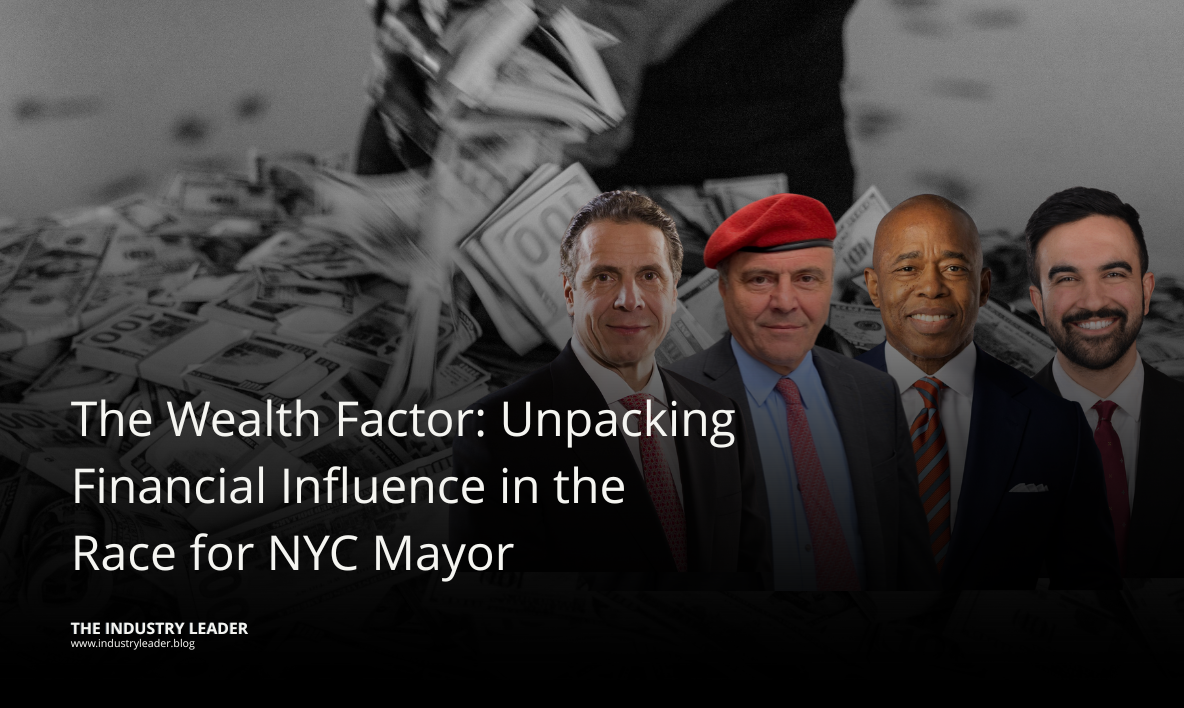
The 2025 mayoral cycle introduces a new set of contenders, each vying to define their own version of greatness. Eric Adams, the incumbent, is now running as an independent after withdrawing from the Democratic primary. His tenure has been framed within a similar "guardian mayor" arc to Bloomberg and Koch, as he has focused on public safety and economic recovery. However, his bid for greatness is challenged by ongoing concerns about crime rates, the migrant crisis, and questions surrounding his administration's transparency. His approval ratings have fluctuated, and he faces the unique hurdle of campaigning as an independent, needing to build a broad coalition across the political spectrum.
Zohran Mamdani, the Democratic nominee, represents an insurgent candidacy that evokes a new model of greatness rooted in transparency, housing justice, and leftist solidarity. His platform, which includes a rent freeze on all rent-stabilized apartments and the creation of a Social Housing Development Agency to build publicly-owned, permanently affordable housing, seeks to address the city's affordability crisis. Mamdani also proposes shifting resources from the NYPD to a new Department of Community Safety, emphasizing mental health and crisis response. For future historians, his approach would be seen as either a disruptive, radical departure or a visionary response to deep-seated inequities, depending on the outcomes of his proposed policies.
Billionaire Bill Ackman, a prominent financier, has emerged as a significant force, though not as a declared candidate himself. After Mamdani's primary victory, Ackman stated he would back a "centrist candidate" to counter Mamdani's democratic socialist platform, offering to fundraise for such an individual. While no specific write-in candidate has been officially declared as of now, Ackman's influence suggests a preference for a leader who embodies Bloomberg-like efficiency and private-sector governance. This approach raises questions: does "leadership by proxy" truly mirror mayoral greatness, or does it risk undermining democratic norms by privileging external influence over direct public mandate?
IV. Who Defines Greatness in 2025?
Ultimately, in 2025, the definition of mayoral greatness remains fluid. Is it about leadership style, policy wins, crisis management, moral vision, or the pervasive media narrative? New York City's current voter blocks—from working-class renters and recent immigrants grappling with affordability to business leaders and activists demanding different forms of governance—will each cast their votes based on their own criteria. The Democratic primary saw Zohran Mamdani secure 43.5% of the vote in the first round, eventually defeating Andrew Cuomo in ranked-choice voting with 56% to Cuomo's 44%. This indicates a significant shift towards progressive ideals within the Democratic base. Meanwhile, Eric Adams, running as an independent, will attempt to appeal to a broader electorate.
The tension lies in whether New Yorkers are looking for a savior—a singular figure to dramatically transform the city—or a servant, someone dedicated to the incremental, often unglamorous, work of improving daily life for millions. Are any of the current contenders, be it the incumbent attempting a centrist appeal, the progressive challenging long-held paradigms, or a potential candidate backed by powerful financial interests, truly ready to earn the kind of legacy that history will remember as "great"? The answer will lie in how effectively they address the city's pressing issues and resonate with the diverse aspirations of its citizens.
Information published to or by The Industry Leader will never constitute legal, financial or business advice of any kind, nor should it ever be misconstrued or relied on as such. For individualized support for yourself or your business, we strongly encourage you to seek appropriate counsel.